

Care And Advice For Blood Clot Management And Prevention
Vascular specialist and specialist nurse assessment, care and advice,

Deep Vein Thrombosis (DVT)
A DVT is a blood clot that forms in a deep vein, usually in the leg. It is a serious condition because a part of the clot can break loose and travel to the lungs, causing a pulmonary embolism.
At Pulse, we prioritize patients with suspected blood clots. Our vascular sonographers can perform urgent scanning to confirm the diagnosis, allowing our specialists to initiate treatment immediately.
Early detection significantly reduces health risks.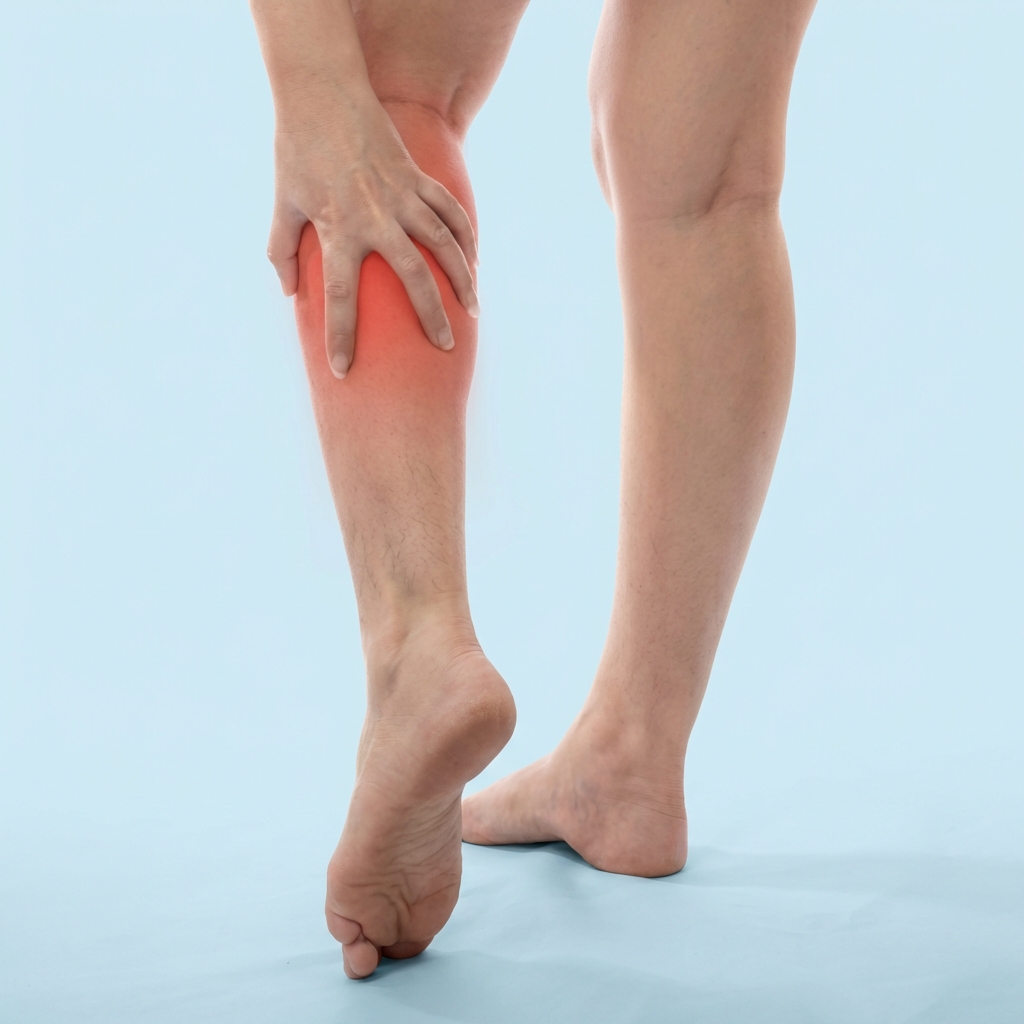
Venous Thrombosis (SVT)
What is it?This is inflammation of a vein caused by a blood clot just under the surface of the skin. It often occurs in varicose veins. While less dangerous than a DVT, it can be painful and may progress to the deep veins if left untreated.
Symptoms typically include a hard, tender lump along the vein, redness, and warmth. We assess these clots to ensure they have not extended into the deep venous system.
Causes and Risk FactorsClots can be caused by long periods of immobility (such as long-haul flights), surgery, trauma, pregnancy, or underlying varicose veins. Some individuals may also have a genetic predisposition to clotting.
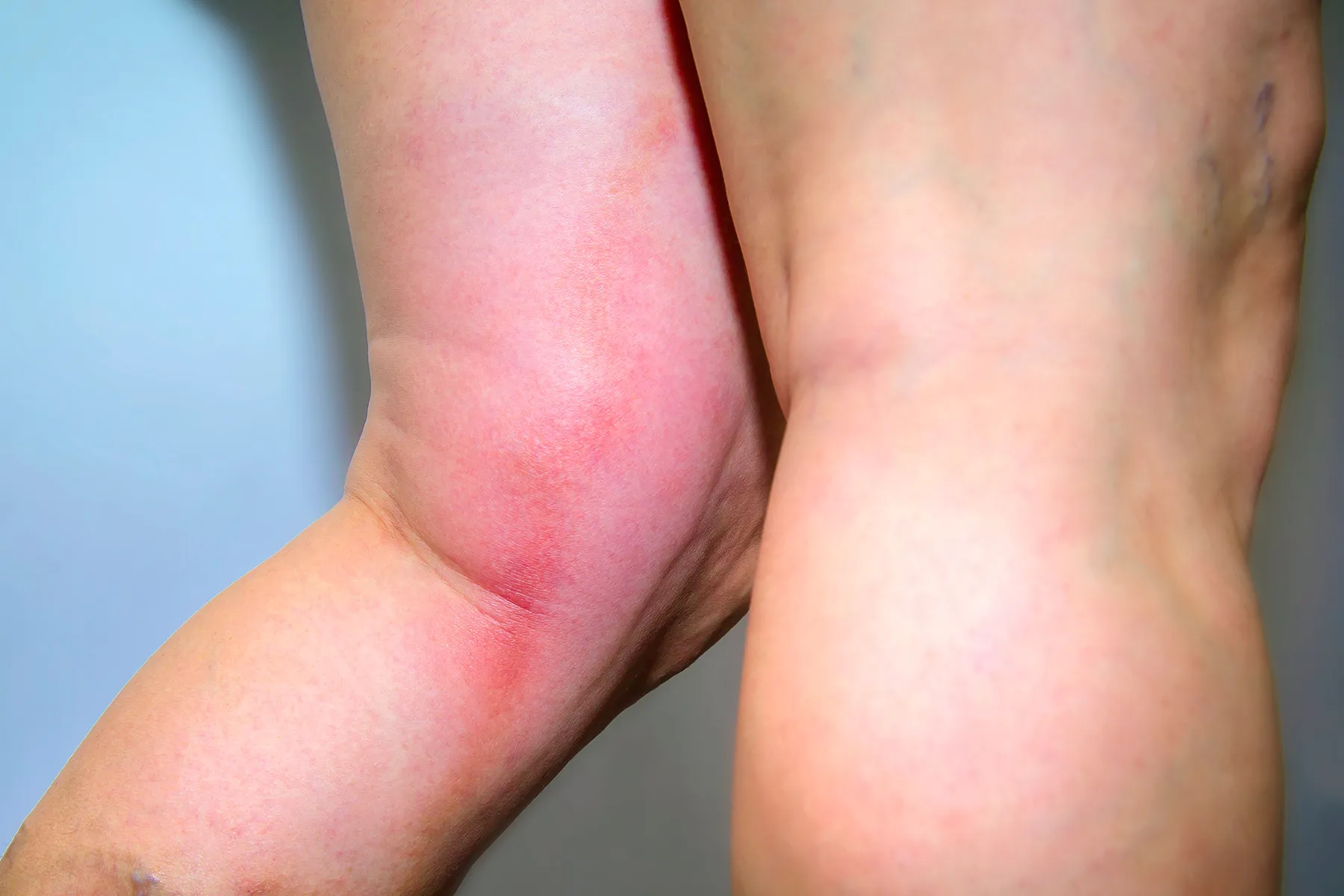
Recognizing the Signs
When to seek immediate help
- Throbbing or cramping pain in one leg (rarely both), usually in the calf or thigh.
- Sudden swelling in one leg.
- Warm skin around the painful area.
- Red or darkened skin around the painful area.
- Swollen veins that are hard or sore when you touch them.
Treatment
Treatment usually involves blood-thinning medication (anticoagulants) to prevent the clot from growing. This allows your body to naturally dissolve the clot over time.
For Superficial enous thrombosis (SVT), treatment may include anti-inflammatory medication, compression, and monitoring. In some cases, treating the underlying varicose veins is necessary to prevent recurrence.
Managing Blood Clots
Anticoagulation
Blood thinners are the standard treatment for DVT. They stop clots from getting bigger and prevent new clots from forming, They also reduce the risk of clots breaking off and travelling to the lungs as a pulmonary embolism (PE). Modern anticoagulants are often easy to take orally and do not require frequent blood testing.
Speak to a Specialist
Compression Stockings
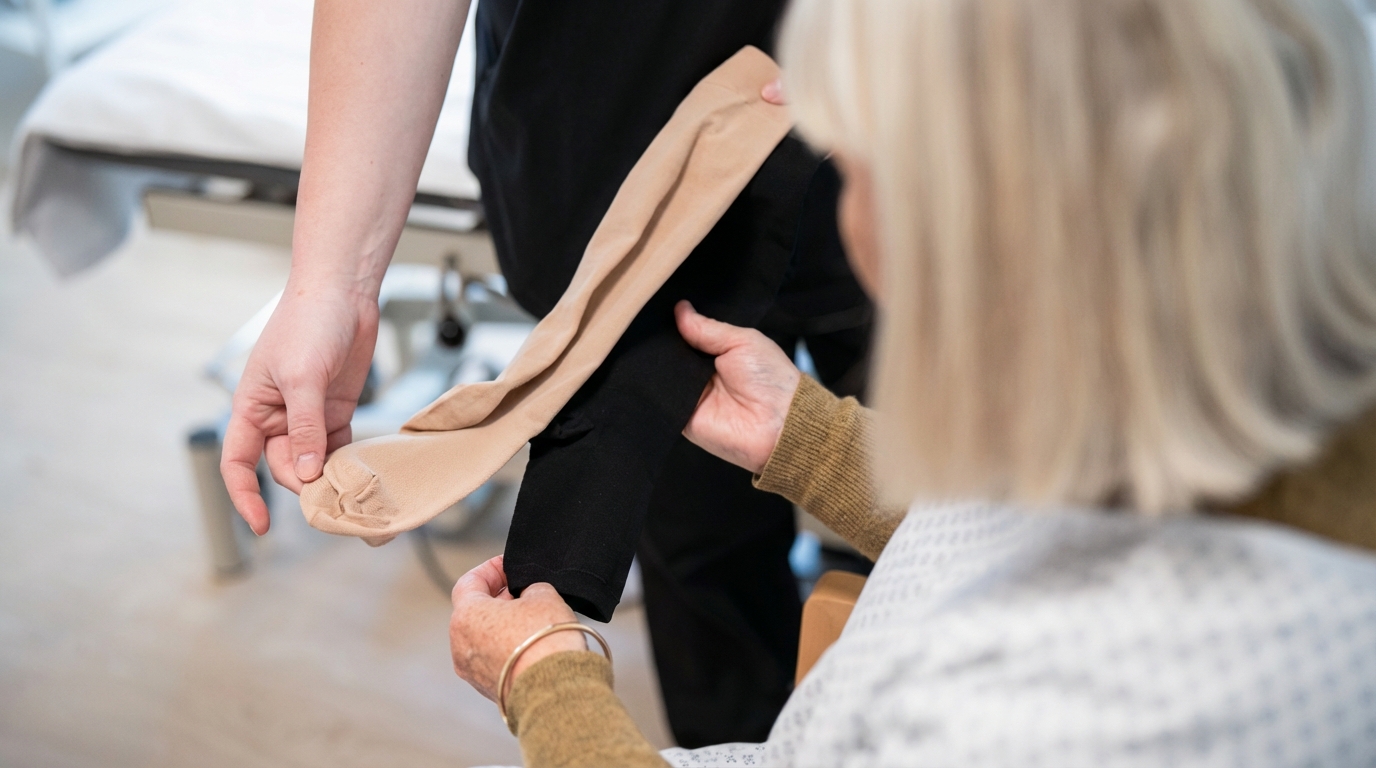
Compression stockings are required after a DVT to reduce swelling and, in addition to blood thinners, reduce the risk of further blood clots forming. Longer term, regular use can reduce the risk of Post-Thrombotic Syndrome — chronically swollen leg, with skin deterioration and risk of ulcers.
Here’s how it works…
Step 1: Start Your Online Consultation
This form gives us all the information we need to assess your risk of a blood clot and to guide you through the management process if you have recently sustained a blood clot.
Step 2: Take Photos of Your Legs
We’ll need to see both of your legs — standing, front and back, thighs and calves — even if you think one leg is okay. Use a smartphone to send us your photos.
Once you’ve submitted the online consultation and your photos, our specialist nurse will be in touch to discuss your blood clot risk and management of a recent clot.
Step 3: Nurse Consultation
A nurse will call you to discuss your concerns. They will answer any questions you may have.
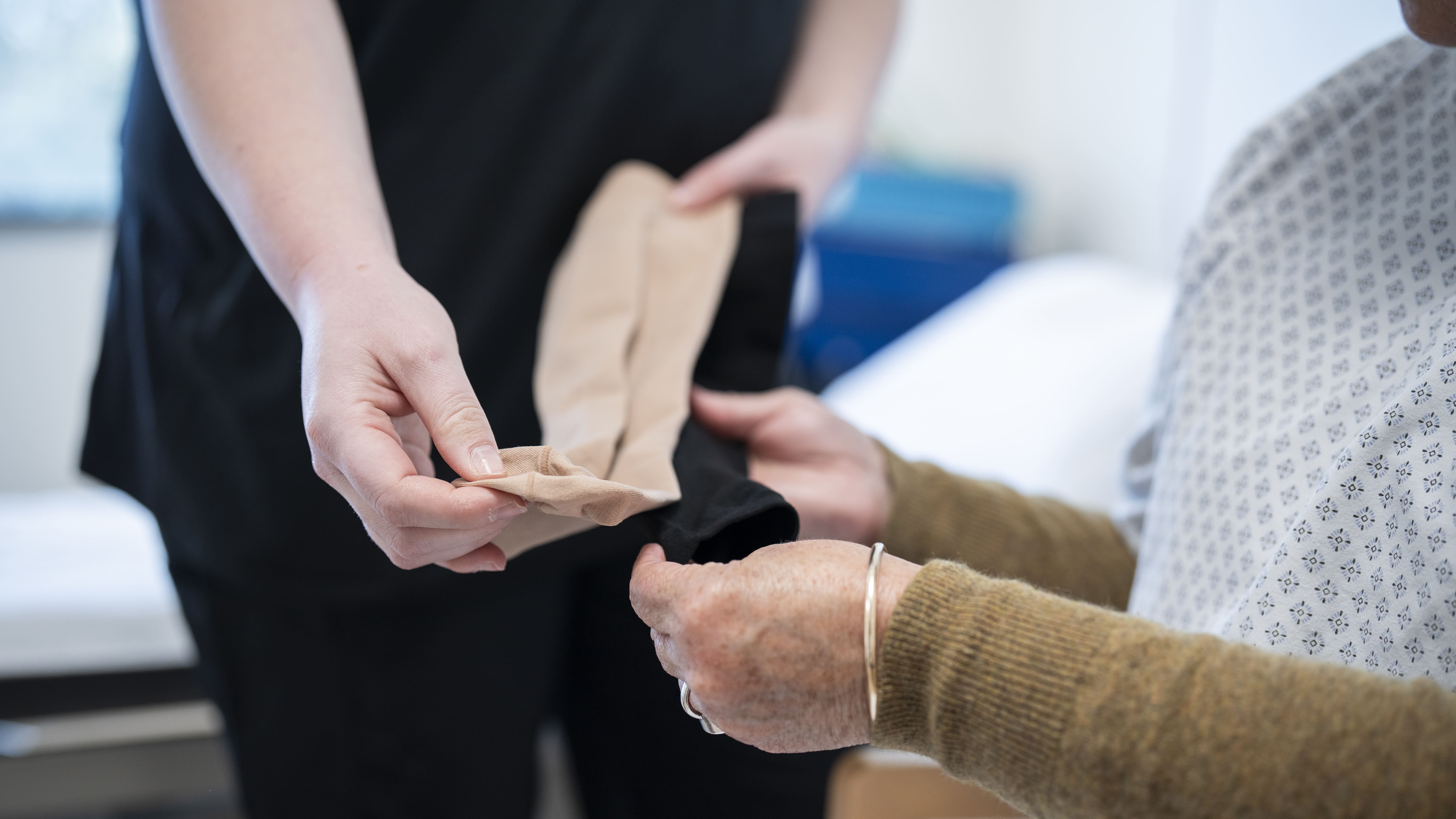
Our specialist nurse will consult with our vascular surgeon and advise on the next steps. This will often involve an ultrasound scan of your leg veins and a discussion about compression socks and stockings.
Step 4: Investigations
Our specialist nurse will arrange for you to have the necessary investigations to work out your risk of a blood clot and to update the status of your recent blood clot.
Step 5: Specialist Review & Prevention Plan
Our specialist nurses or our vascular surgeon will either see you in person or via our phone clinic.
We will help you advise on the prevention of blood clots and support you with the management of any recent blood clots.
Enquiry
For advice on blood clot care, prevention, or travel guidance, please contact us.
Urgent Enquiry
If you have had a blood clot, believe you may be at risk, or would like advice, please get in touch with us promptly.
If you think you may have developed a blood clot, contact your GP or an Urgent Care Clinic immediately.
In an emergency, dial 111 and ask for an ambulance.
Phone: 0800 45 45 99
Email: info@pulsehealth.nz
Office Address: 1/39 Ghuznee Street, Te Aro 6011, Wellington