
Leg Ulcer Care and Advice
Vascular surgeon and specialist nurse assessment, advice and care.

Leg Ulcers
A leg ulcer is an open sore on the lower leg that fails to heal normally, usually due to poor blood circulation. The most common cause is venous insufficiency (varicose veins and related conditions), but arterial disease, diabetes, pressure, trauma, skin cancers and inflammatory conditions also contribute.
Leg ulcers often occur around the ankle or lower calf, but can occur on the feet and toes. They may be painless or cause pain, swelling, discharge, or skin discoloration. Leg ulcers need diagnosis and appropriate treatment to achieve healing. Treatment typically includes compression therapy, wound care, and treating the underlying circulation issues.
Restoring healthy circulation is the key to healing.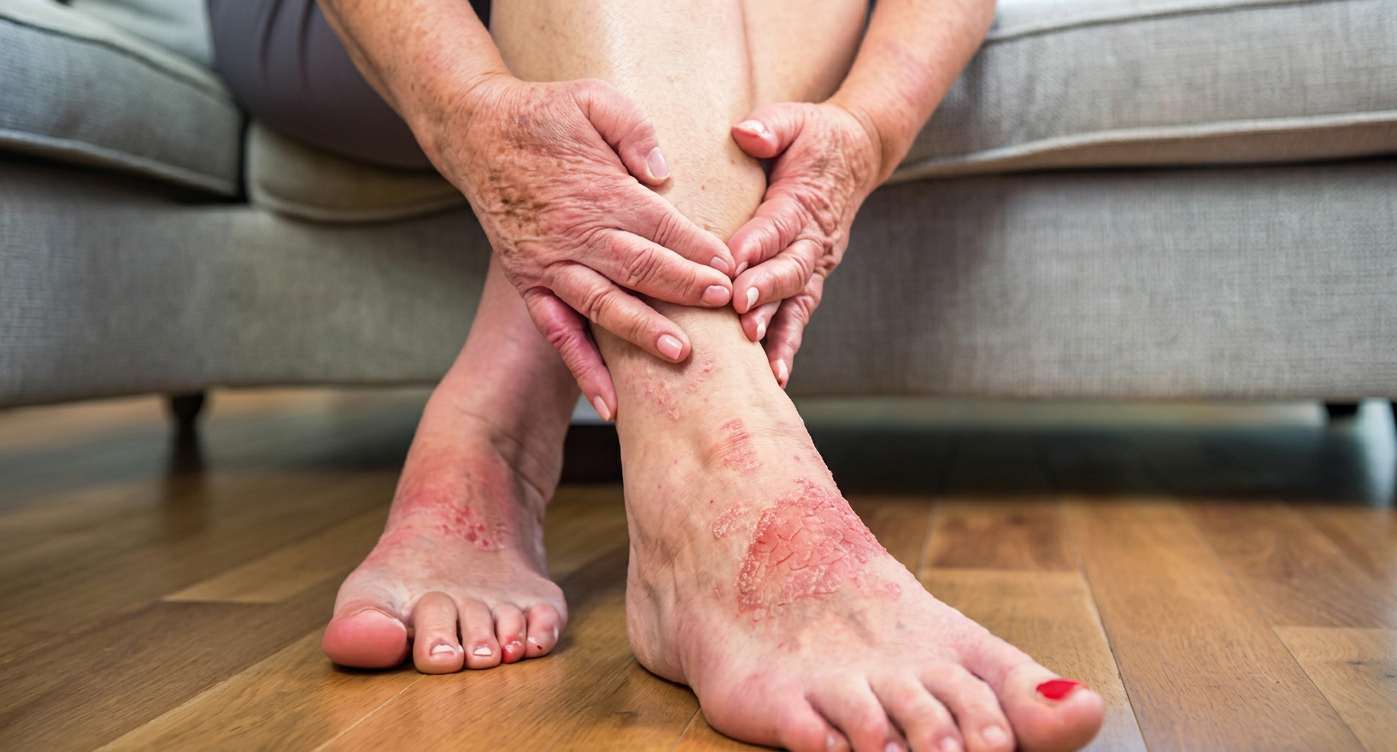
Identifying the Problem
Symptoms of Venous Ulcers
- A sore on the leg, feet or toes that has not healed within 2 weeks.
- Swollen ankles and heaviness in the legs.
- Discoloured or darkened skin around the wound.
- Itchy, dry, or hardened skin broken skin with surrounding infection.
- The ulcer may be painful or painless.
Treatment Approach
Our approach combines wound care, ulcer assessment and diagnosis of the underlying ulcer cause, and appropriate treatment.
Treating Leg Ulcers
Ulcer Diagnosis And Care
Treatment of leg ulcers depends on the underlying cause. Assessment will often include evaluation of the leg arteries and veins with an ultrasound scan. Sometimes biopsy of the ulcer is needed, especially if the ulcer may be a skin cancer or a less common cause such as inflammation (vasculitis).
Compression bandages and stockings are a common component of treatment for most leg ulcers.
These days, many vein and artery treatments are minimally invasive and do not require surgery. Learn about treatments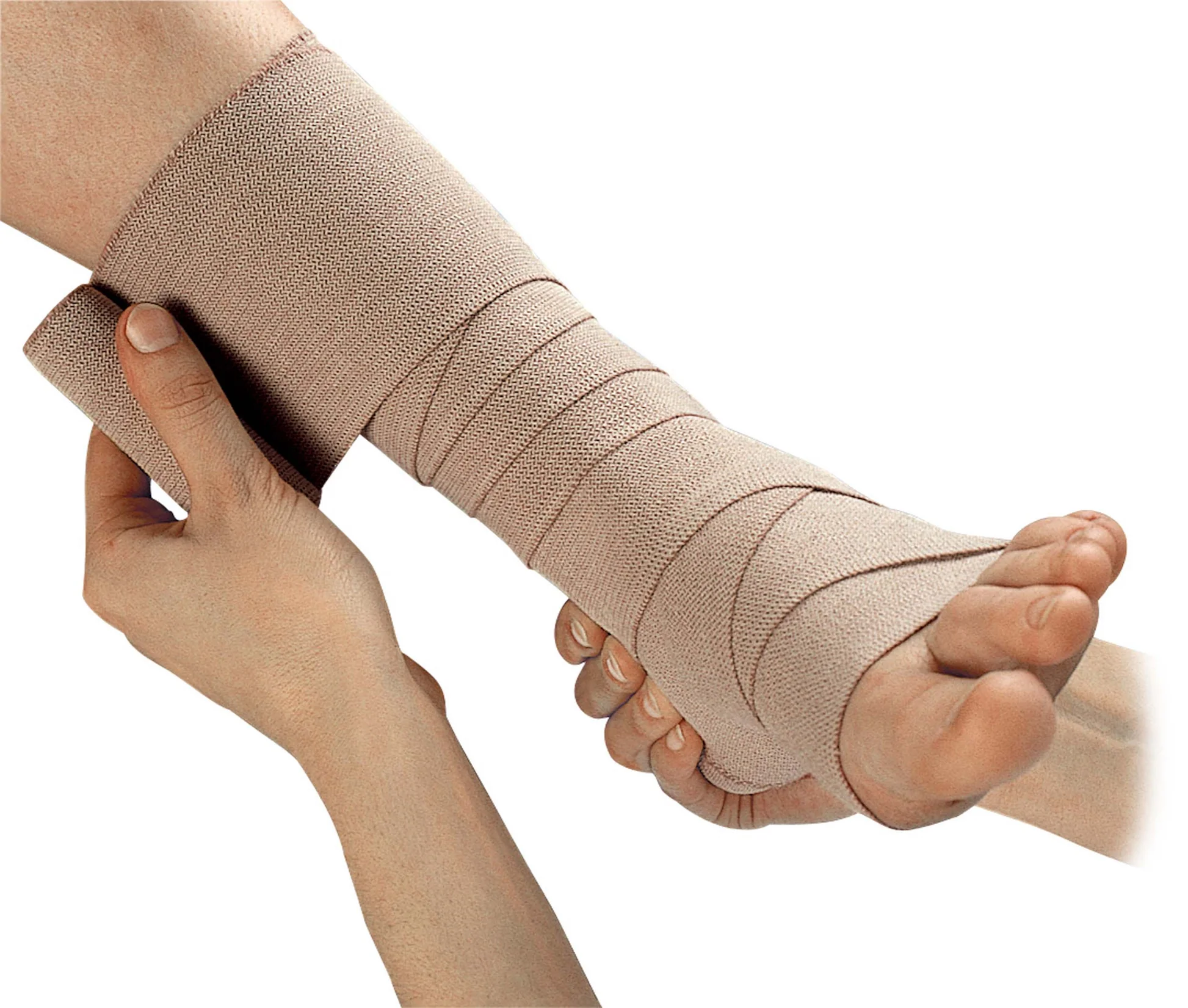
Compression Therapy
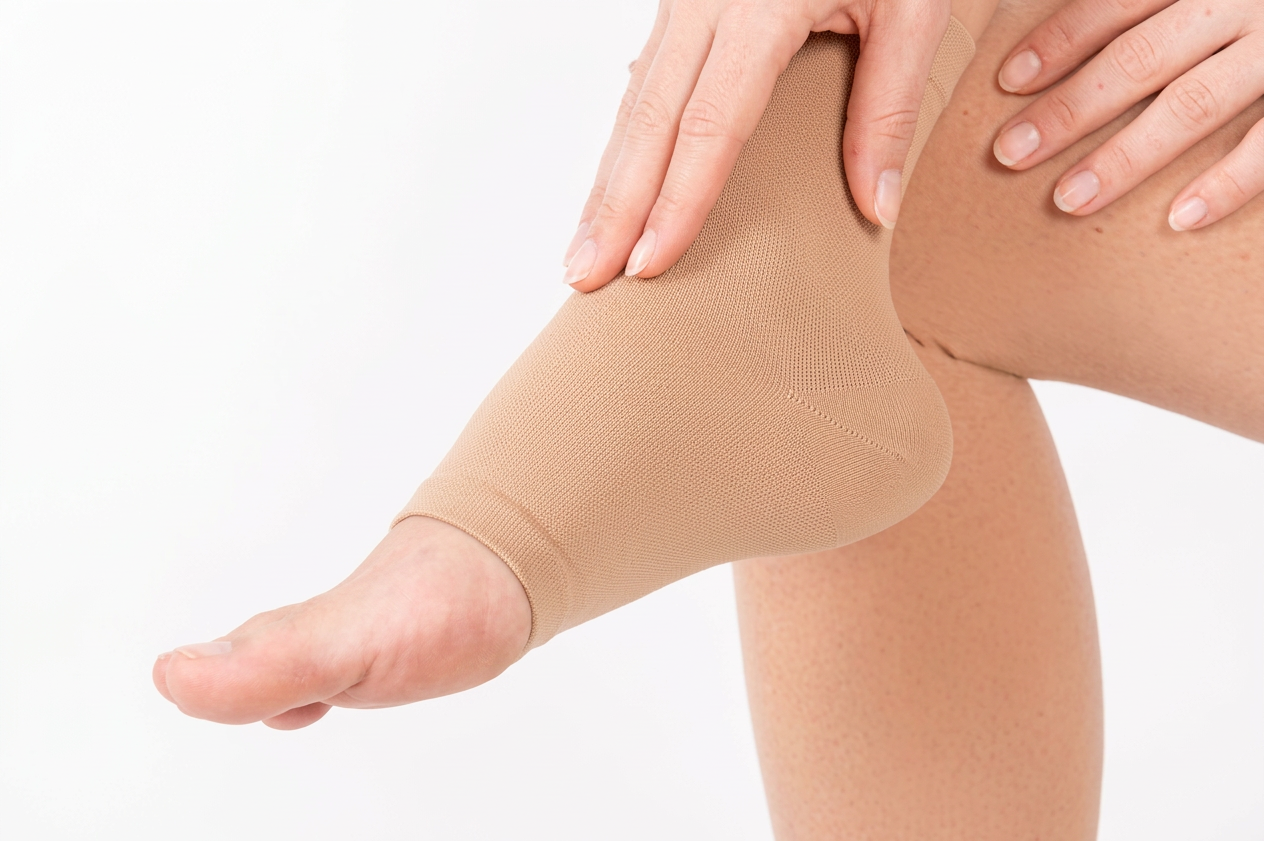
Compression bandaging or stockings are essential for healing venous ulcers and ulcers caused by leg swelling. They are also useful for supporting the legs and providing ongoing support, even in patients whose ulcers may be caused by arterial and other conditions.Compression counteracts the internal pressure in the veins and tissues of the legs, helping blood and fluid flow back to the heart.
We provide expert fitting and advice on the best compression options for your lifestyle.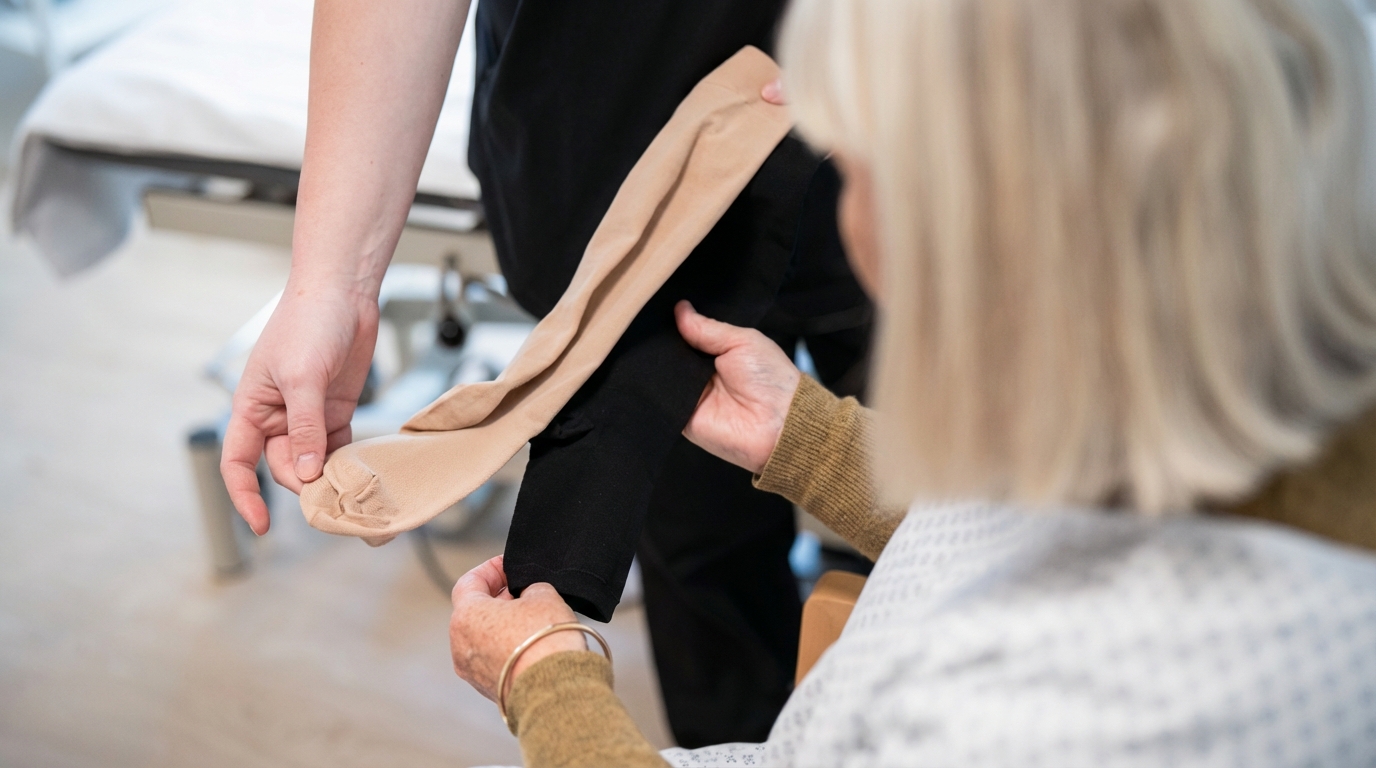
Here’s how it works…
Step 1: Start Your Online Consultation
This form gives us all the information we need to assess your leg ulcer and to start the process of finding out the cause and advising on the most appropriate treatment.
Step 2: Take Photos of Your Leg Ulcer
We’ll need to see both of your legs — standing, front and back, thighs and calves — even if you think one leg is okay. Use a smartphone to send us your photos.
Once you’ve submitted the online consultation and your photos, our specialist nurse will be in touch to discuss your ulcer with you and to advise on the next steps.
Step 3: Nurse Consultation
A nurse will call you to discuss the cause of your ulcer. They will answer any questions or concerns you may have.
Our specialist nurse will consult with our vascular surgeon and advise on the next steps. These will often involve an ultrasound scan of your leg veins and arteries, and a test to measure the blood pressure at your ankle or toes.
Step 4: Investigations
Our specialist nurse will arrange for you to have the necessary investigations to work out the cause of your ulcers.
Once completed, we will see you in person to re-assess the ulcer and to advise on treatment.
Step 5: Specialist Review & Treatment Plan
Our specialist nurses or our vascular surgeon will see you in person.
Treatment for your leg ulcer will depend on its underlying cause, and we will advise you on the best treatment in order to get your ulcer healed as quickly as possible.
Make an Enquiry.
Request a callback or book your initial consultation for ulcer treatment. Referrals are welcome but not always required.
Phone: 0800 45 45 99
Email: info@pulsehealth.nz
Office Address: 1/39 Ghuznee Street, Te Aro 6011, Wellington