
Leg Swelling.
Assessment, diagnosis and care for leg swelling.
Understanding Leg Swelling
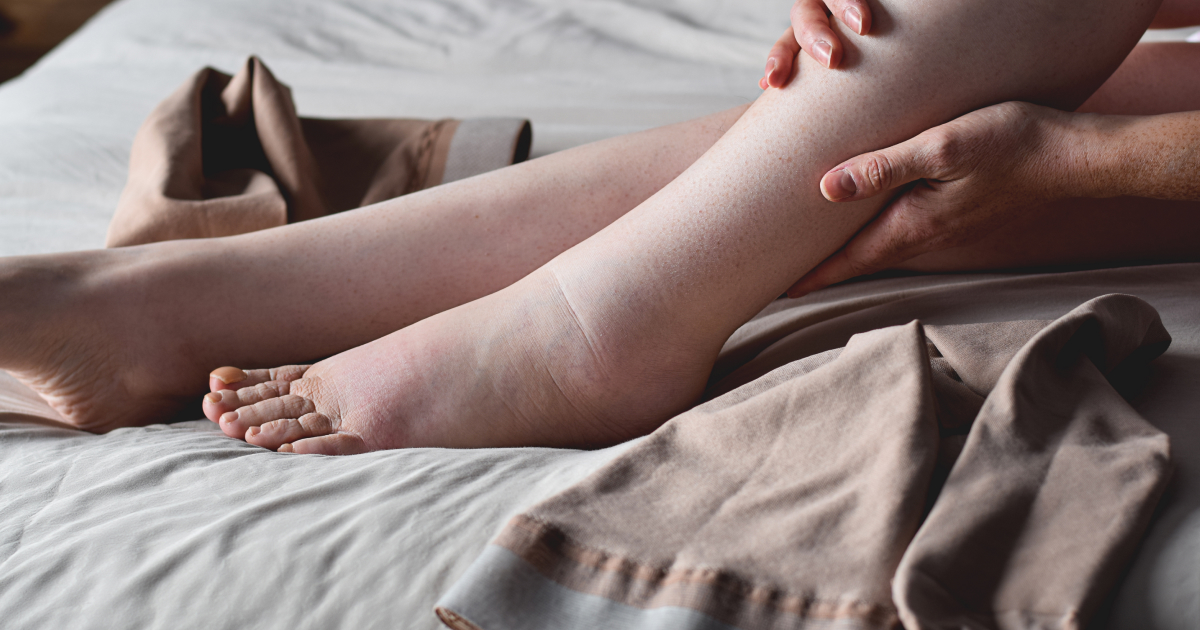
Leg swelling (oedema) can be uncomfortable and unsightly, but it is often a sign of an underlying issue with your veins or lymphatic system. It can range from mild puffiness at the end of the day to severe, chronic swelling that impacts your ability to move.
At Pulse, we perform comprehensive assessments to determine if your swelling is caused by venous insufficiency, lymphedema, or other vascular conditions. Accurate diagnosis is the first step toward effective relief.
Assessment, diagnosis, treatments and management strategies for leg swelling
Common Causes of Swelling
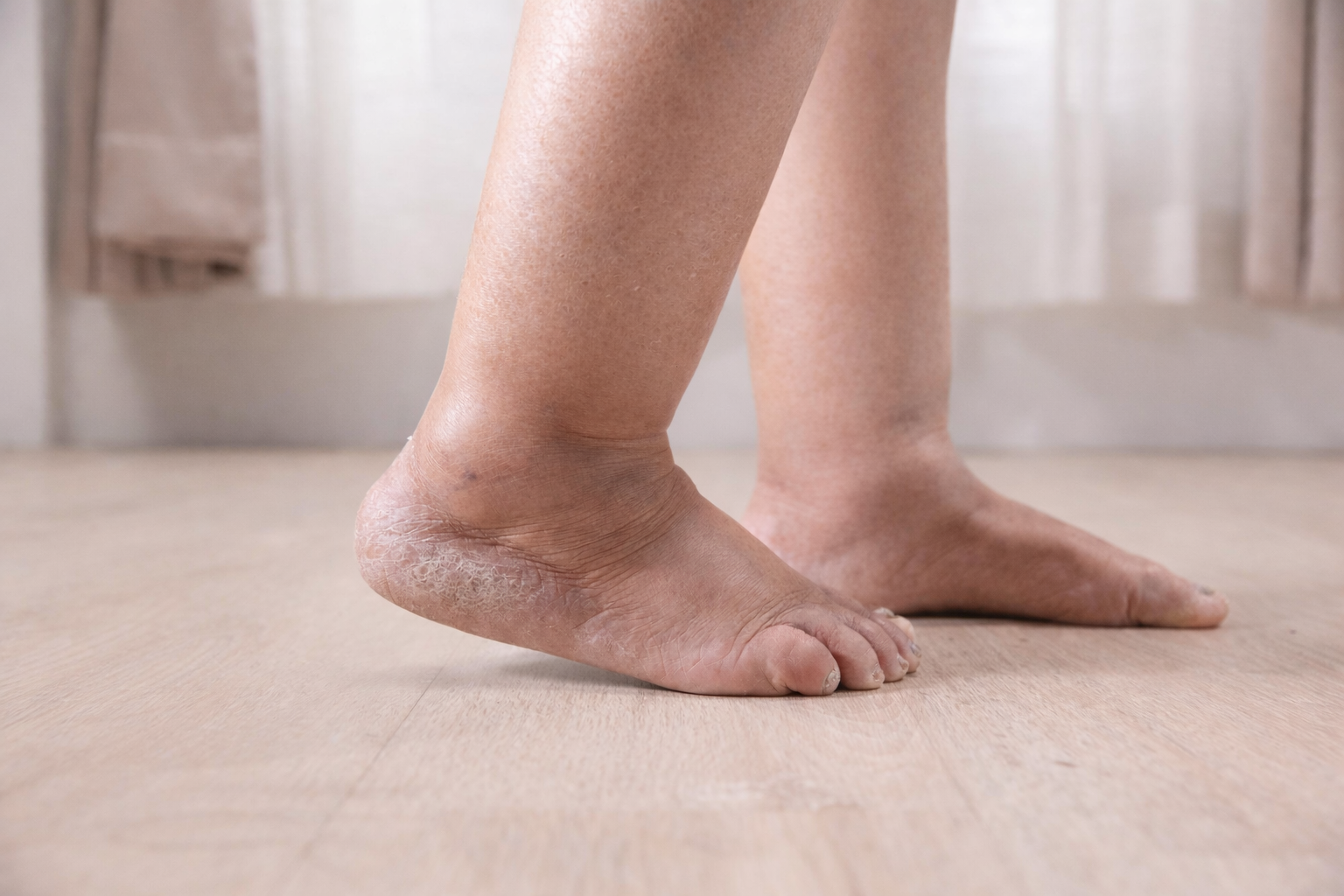
Fluid Retention (Oedema)Some degree of tissue fluid (oedema) around the ankles is common, especially towards the end of the day. This is usually mild and does not cause any symptoms. Some medical conditions such as heart failure and kidney failure may result in the body retaining fluid, which is most apparent around the ankles and legs (postural oedema). Some people are more prone to this than others.
Venous InsufficiencyWhen the valves in your leg veins fail, blood pools in the lower legs instead of flowing back to the heart. This increased pressure forces fluid into the surrounding tissues, causing swelling, heaviness, and skin changes.
Lymphedema & Other FactorsLymphedema occurs when the lymphatic system cannot drain fluid effectively. Other causes include Deep Vein Thrombosis (DVT), medication side effects, or systemic health issues. We use ultrasound technology to pinpoint the exact cause.
When to seek help
Warning signs requiring attention
- Swelling that persists overnight or doesn't improve with elevation.
- Sudden onset of swelling in one leg, which may indicate a blood clot.
- Associated skin changes, such as redness, hardness, or weeping sores (ulcers).
- Pain, tenderness, or heat in the swollen area.
Diagnostic Process
We typically begin with a Duplex Ultrasound Scan. This non-invasive test allows us to visualize the blood flow in your veins and identify any blockages or valve failures contributing to the fluid retention.
Once the cause is identified, our specialists will design a tailored management plan aimed at reducing swelling and preventing complications.
Treatment Options for Swelling
Compression Therapy
Medical-grade compression stockings or wraps are often the most effective way to manage leg swelling. They apply graduated pressure to the leg, helping veins and lymph vessels move fluid back toward the heart.
View Compression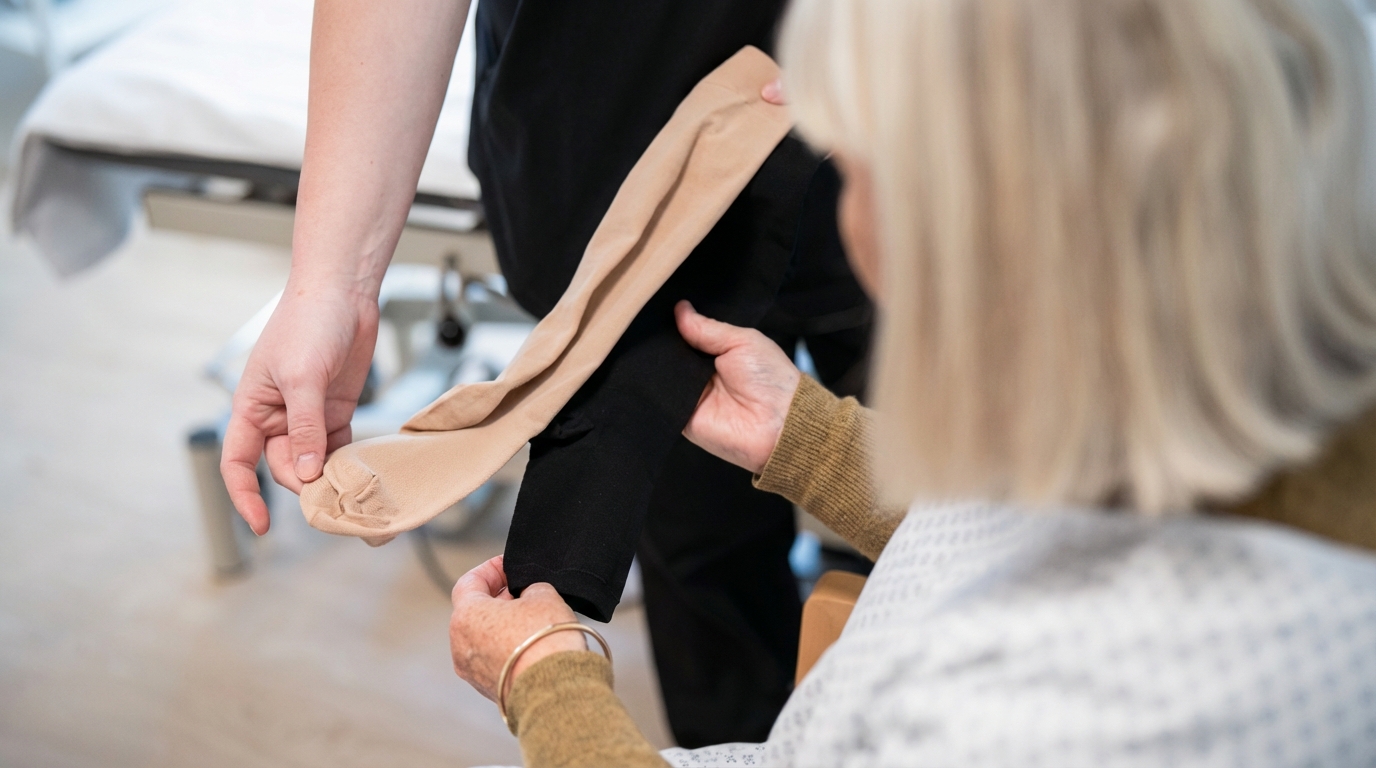
Treating Underlying Veins
If your swelling is caused by superficial venous reflux (varicose veins), treating the faulty veins can significantly reduce fluid retention. Techniques such as Radiofrequency Ablation or Venaseal close the diseased veins, redirecting blood flow to healthy vessels.
This not only improves the appearance of the leg but relieves the pressure causing the swelling.
View Vein Treatments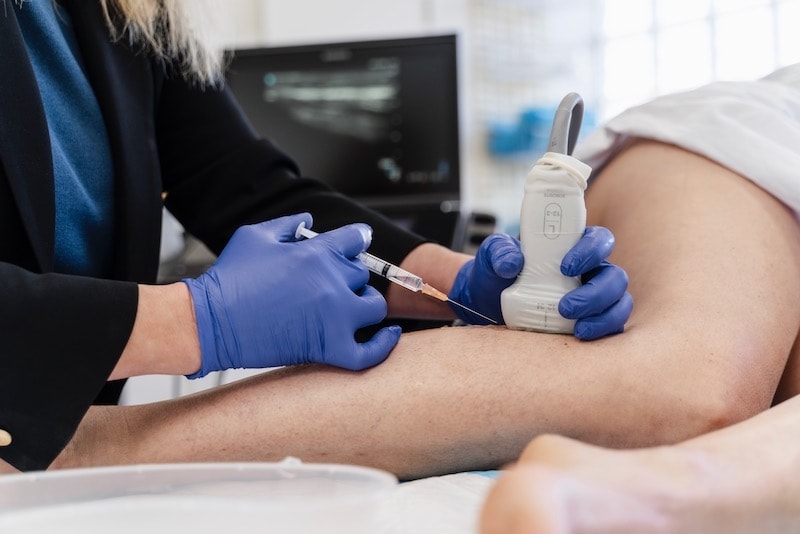
Here’s how it works…
Step 1: Start Your Online Consultation
This form gives us all the information we need to assess your leg swelling and start the process of finding the cause and advising on the most appropriate treatment.
Step 2: Take Photos of Your Legs
We’ll need to see both of your legs, standing, front and back, thighs and calves — even if you think one leg is okay. Use a smartphone to send us your photos.
Once you’ve submitted the online consultation and your photos, our specialist nurse will be in touch to discuss your leg swelling and advise on the next steps.
Step 3: Nurse Consultation
A nurse will call you to discuss the cause of your leg swelling. They will answer any questions or concerns you may have.
Our specialist nurse will consult with our vascular surgeon and advise on the next steps. These will often involve an ultrasound scan of your leg veins.
Step 4: Investigations
Our specialist nurse will arrange for you to have the necessary investigations to work out the cause of your leg swelling.
Once completed, we will see you in person to re-assess and advise on treatment.
Step 5: Specialist Review & Treatment Plan
(either in-person or by phone or video)
Our specialist nurses or our vascular surgeon will see you. Treatment for your leg swelling will depend on its underlying cause, and we will advise you on the best treatment in order to get you treated as quickly as possible.

Get Relief Today.
Request a callback or book your initial consultation to address your leg swelling. Referrals are welcome but not always required.
Phone: 0800 45 45 99
Email: info@pulsehealth.nz
Office Address: 1/39 Ghuznee Street, Te Aro 6011, Wellington