
Advanced Varicose Vein Treatments
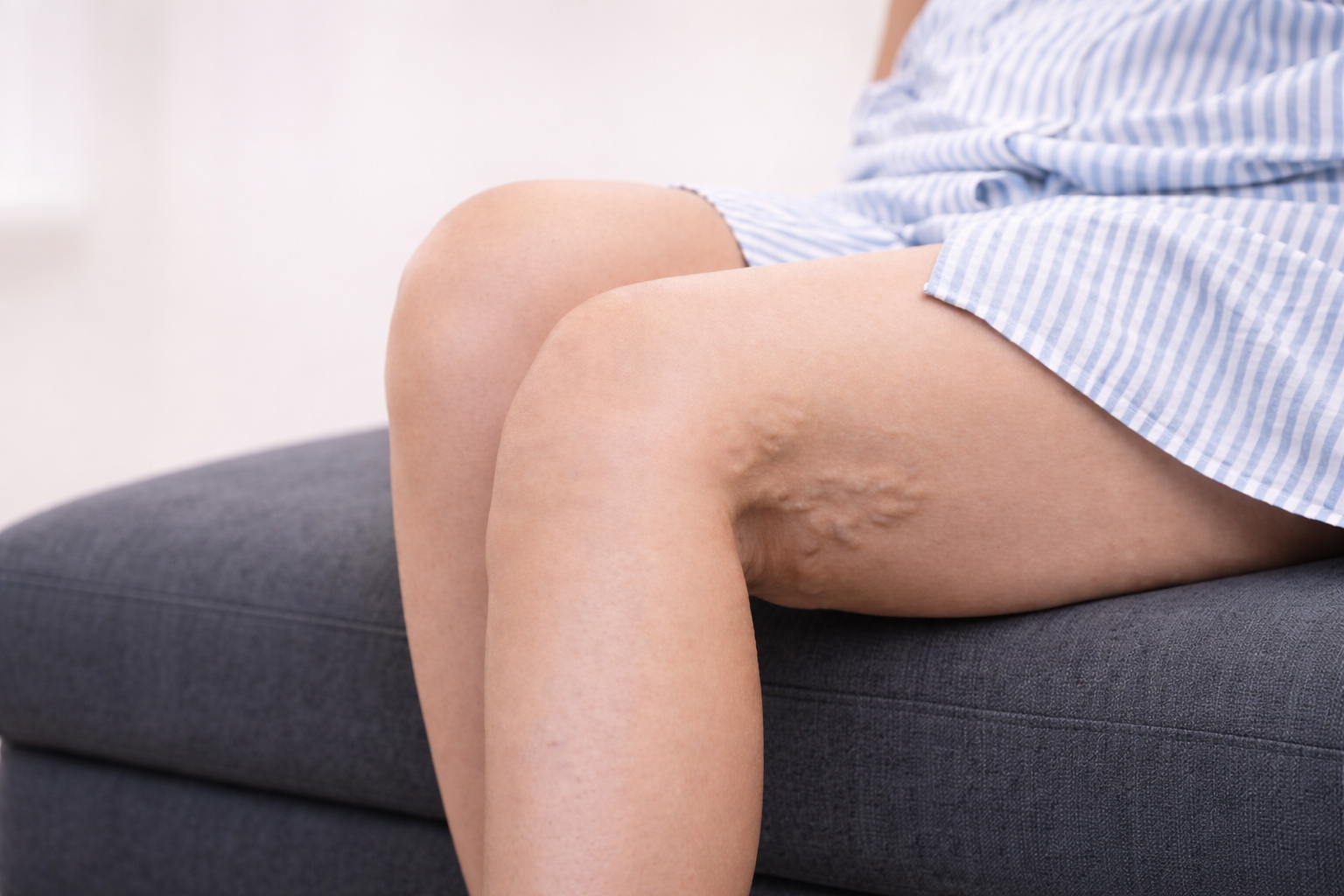
At Pulse Vein Care, we offer a comprehensive range of minimally invasive treatments for varicose veins, spider veins, and reticular veins.
Comprehensive Vein Care
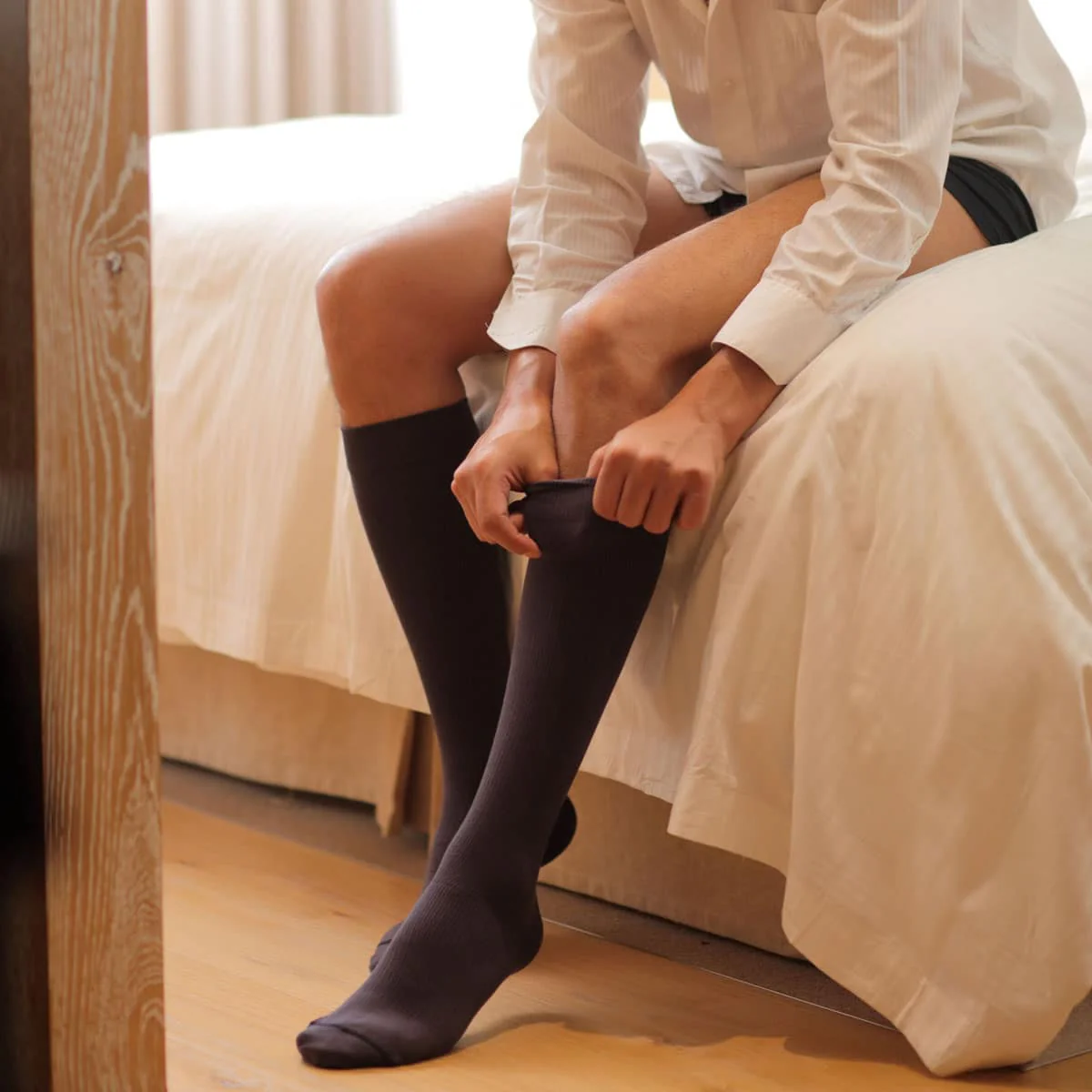
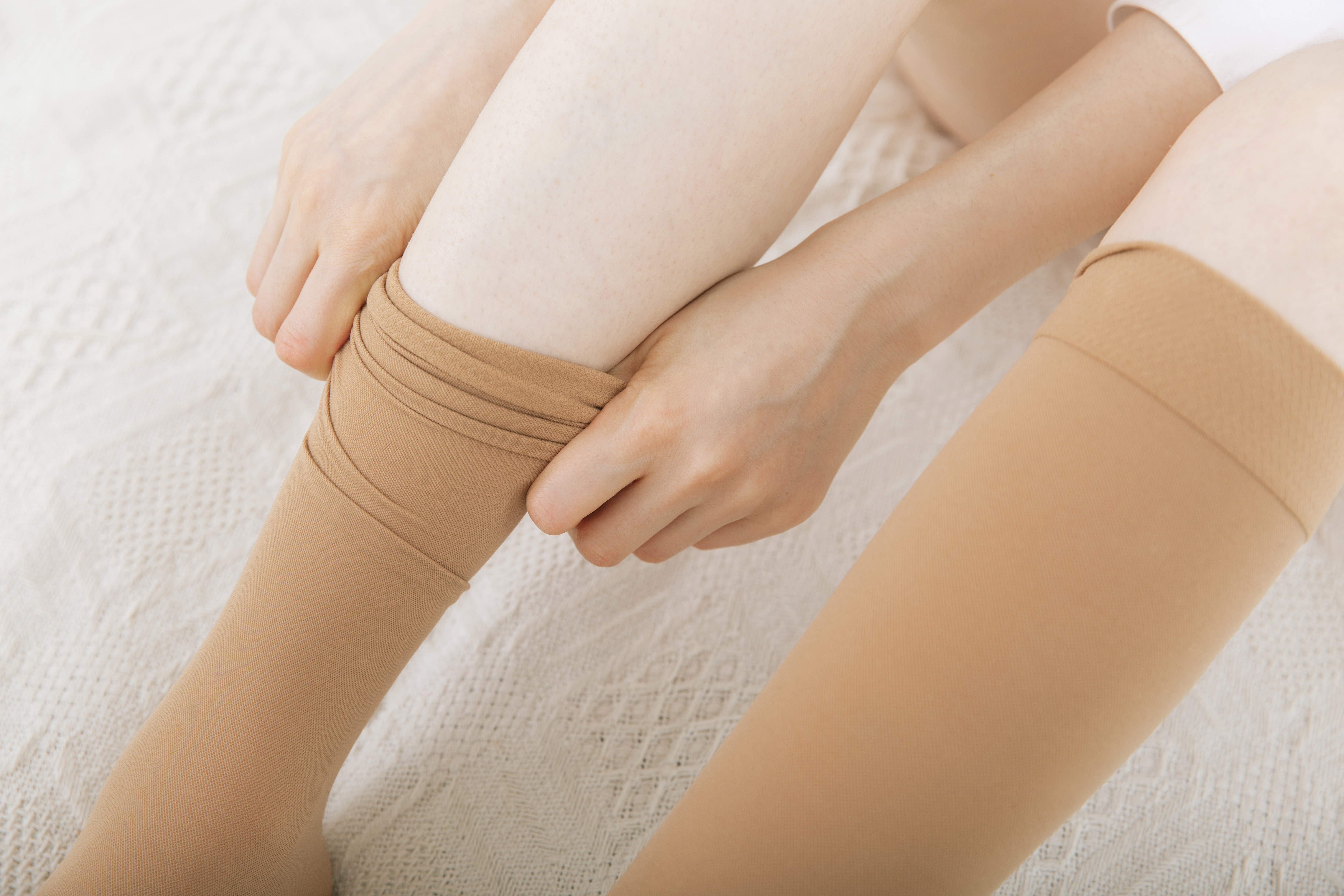
Compression Stockings
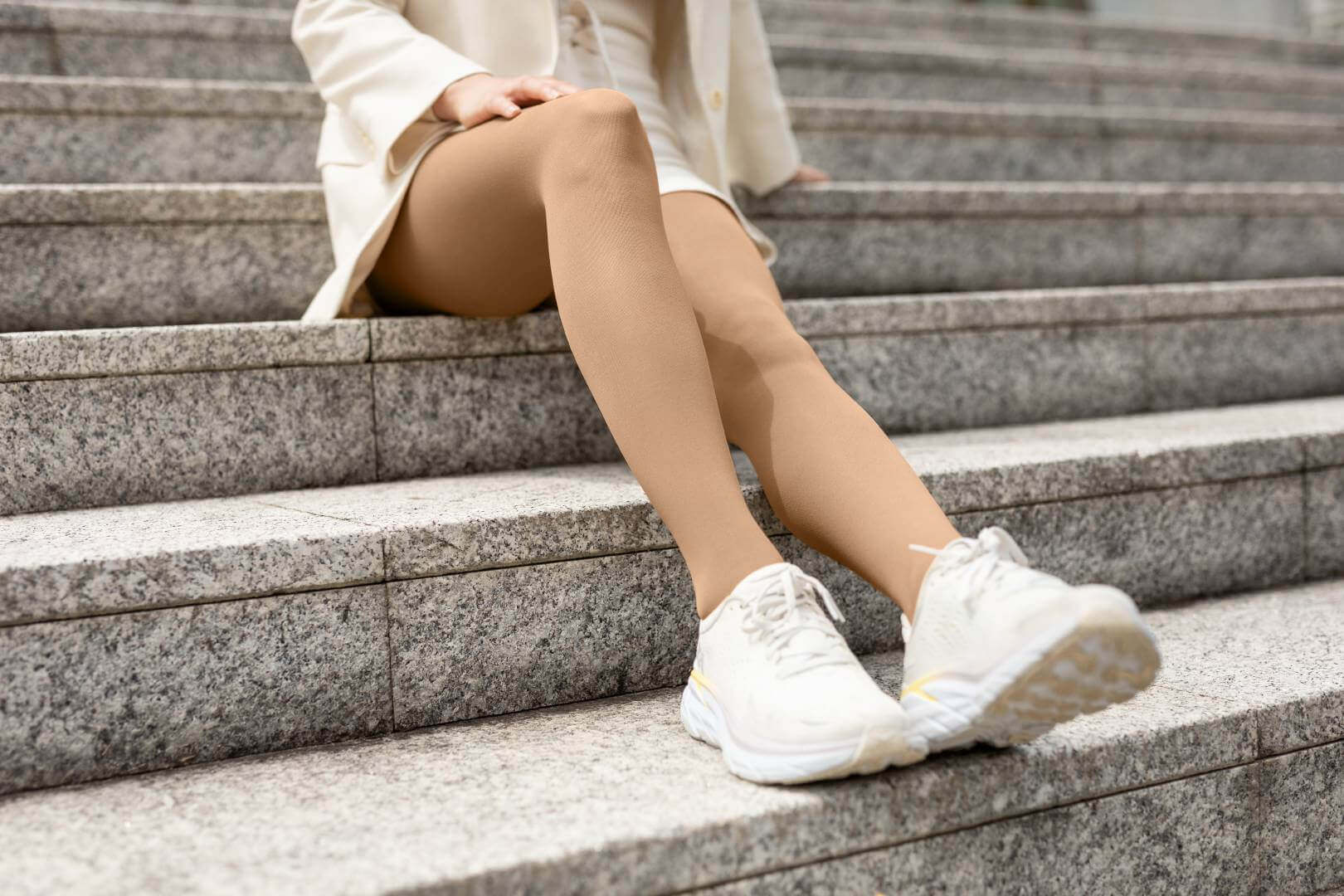
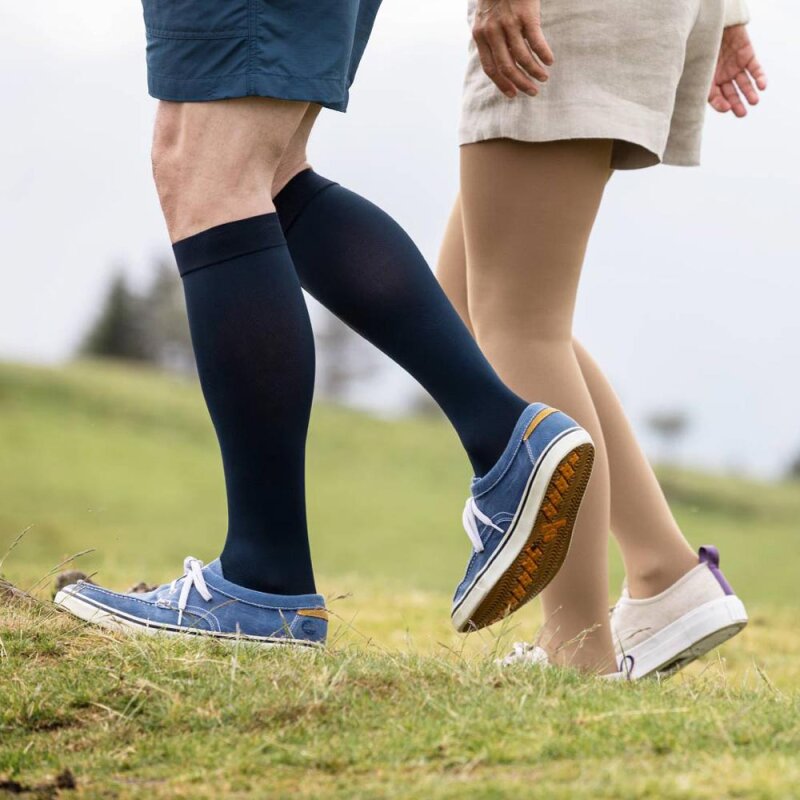
Compression stockings and socks (GCS) are effective in controlling varicose veins symptoms and other vein problems such as swelling, eczema, ulcers and bleeding. They are not a cure for the underlying varicose veins.
GCS exert graduated compression (highest pressure at the ankle, decreasing up the leg). This encourages upward blood flow toward the heart. GCS improve leg swelling by reducing venous pressure and blood pooling, and limiting fluid leakage into surrounding tissues.
The key practical consideration with stockings is correct measurement and sizing. This process is best performed by one of our trained vascular nurses who can provide general education and “tips and tricks” of compression stocking and sock use.
Vein Ablation and Sclerotherapy
Pulse Vein Care uses several techniques to treat varicose veins. We mainly use a sealant called Venaseal or a heat treatment called Radiofrequency. Both are equally effective. Sclerotherapy treats smaller veins. Spider veins can be treated with a similar technique called Microsclerotherapy.
Discover Vein Ablation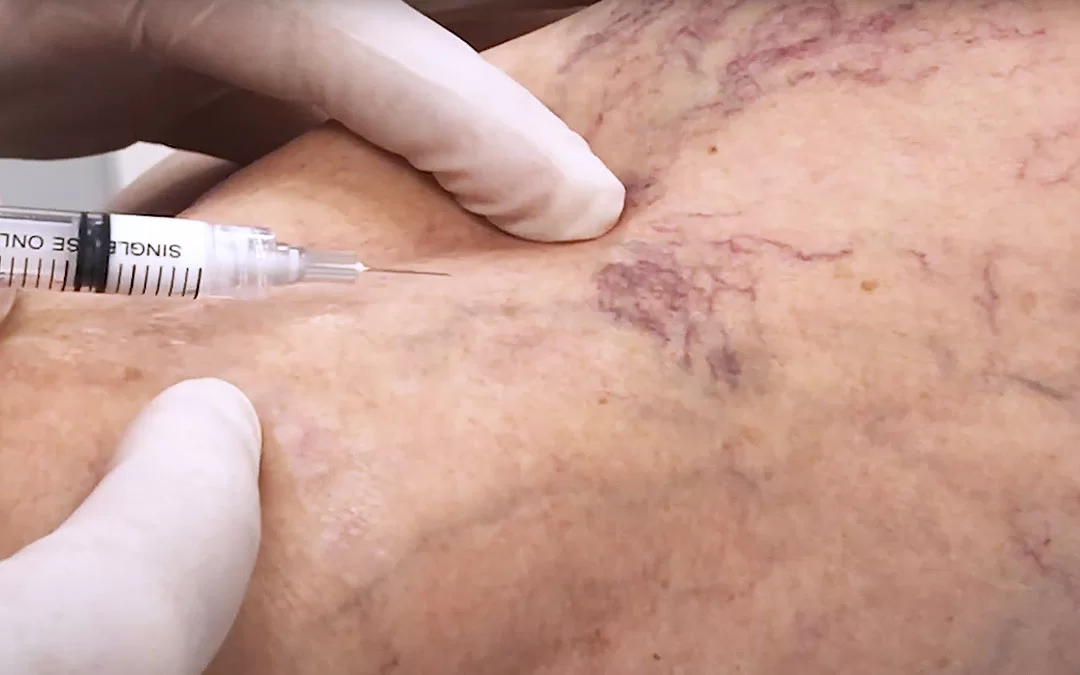
Thermal (Heat) Treatments
Radiofrequency Ablation (RFA)
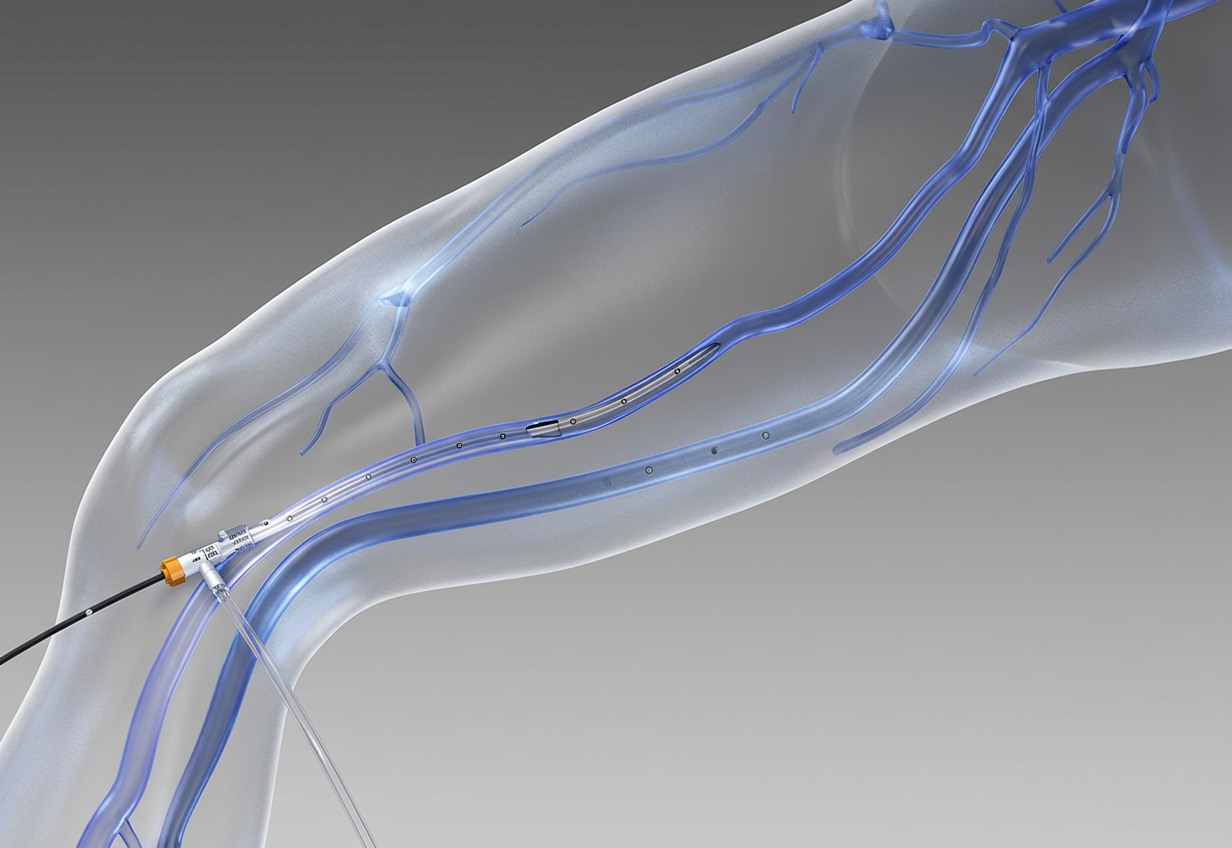
Radiofrequency ablation (RFA) is a minimally invasive treatment for varicose veins that uses heat to seal off faulty superficial veins.
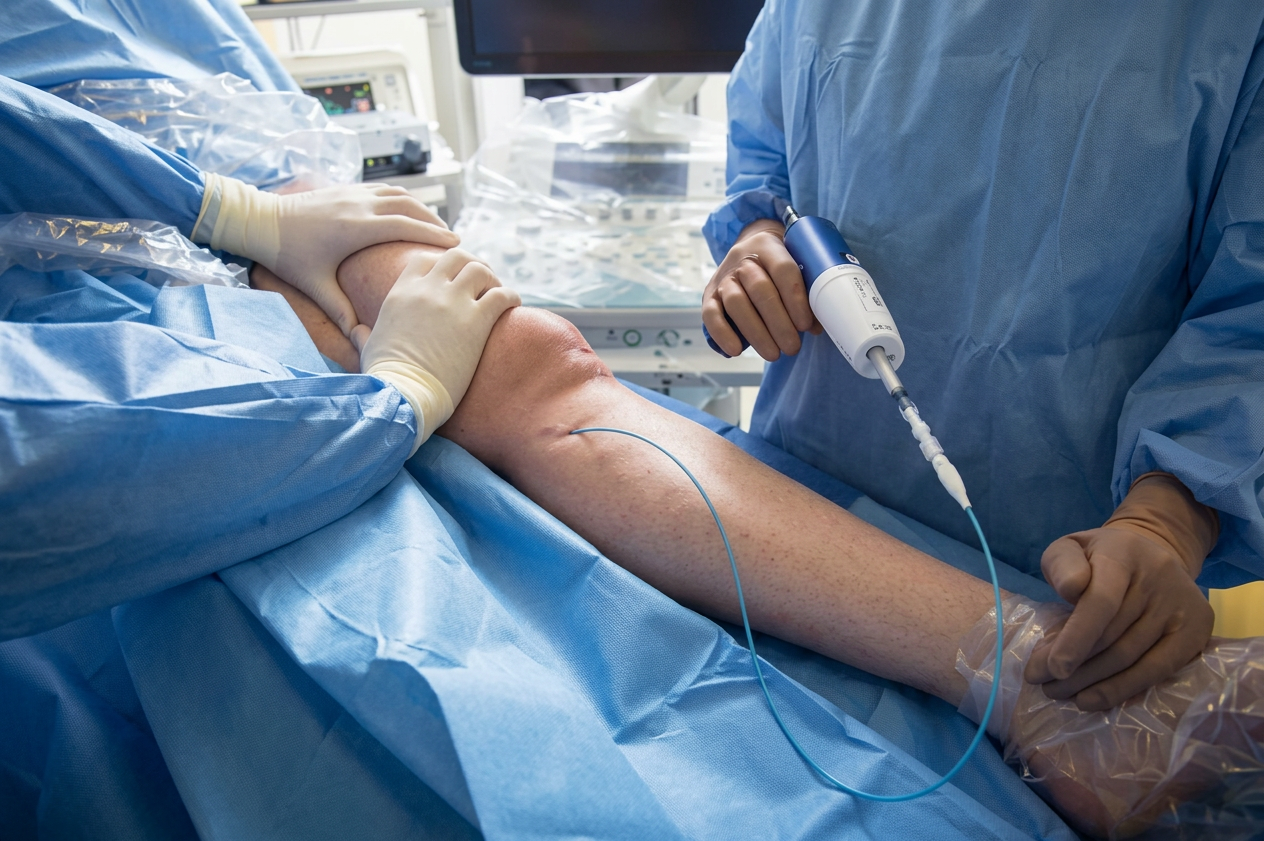
A thin catheter is inserted into the diseased vein under ultrasound guidance. After numbing the areas for treatment with local anaesthetic, radiofrequency energy heats the vein wall to 120 degrees Celsius. The vein collapses and seals shut and blood is naturally redirected to healthy veins. The treated vein gradually shrinks and is absorbed by the body.
The RFA procedure takes about 30min per leg. It is walk-in, walk-out, but does require numbing of the leg, and many patients choose to have pain relief and sedation for the procedure. After the procedure, compression stockings are required on the treated leg for 10 days. Return to light level activity is immediate, but if sedation is required, driving needs to be deferred for 24hrs.
Sealant Treatments: VenaSeal™ (Vein Glue)
VenaSeal™ is a minimally invasive, non-thermal treatment for varicose veins that uses a medical adhesive (vein glue) to permanently close faulty superficial veins.
A thin catheter is placed into the diseased vein under ultrasound guidance. Small amounts of medical-grade adhesive are delivered along the vein – minute quantities of sealant are deposited every 3cm along the length of the leaking vein. The sealant reacts with water that is present in the blood and makes the patient’s blood sticky enough to seal the leaking vein. Afterwards, blood is redirected to healthy veins.
The sealant procedure typically takes about 30min per leg. It is walk-in, walk-out, and does not require numbing of the leg as with the thermal procedures. Most patients do not need any pain relief or sedatives. Compression stockings are required on the treated leg for 10 days.
Ultrasound-Guided Sclerotherapy (UGS)
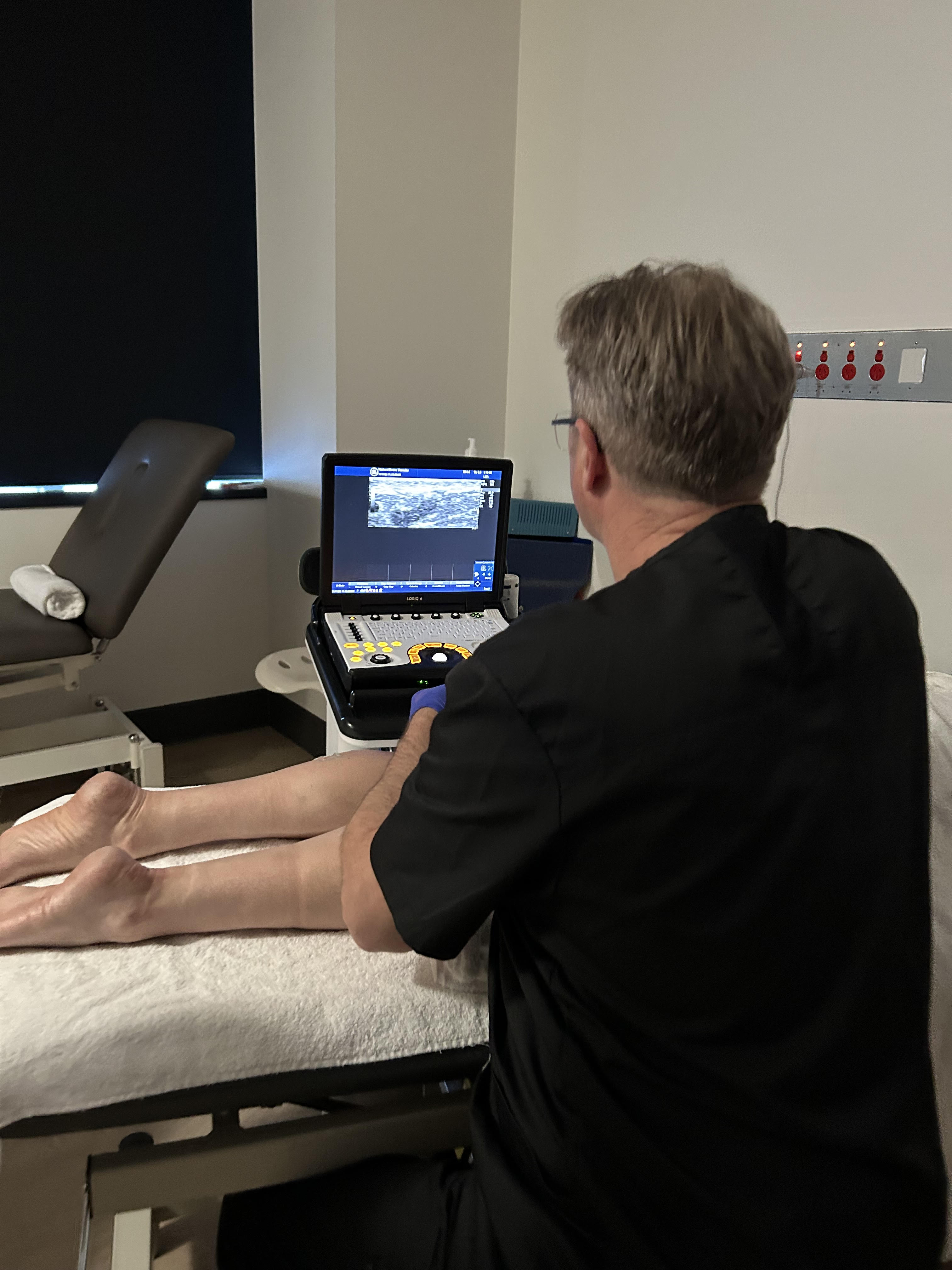
Ultrasound-guided sclerotherapy (UGS) uses ultrasound to inject an irritant (sclerosant) into varicose veins and spider veins, causing them to close. It is usually used for closing the varicose vein branches once the main feeding vein has been closed with sealant or thermal treatment.
UGS is also used for treatment of residual varicose veins after the initial treatment, isolated varicose veins where the main feeding vein is not leaking, and for recurrent varicose veins after previous treatment.
Ultrasound locates the vein and the sclerosant is injected. This irritates the vein lining, causing it to collapse and seal. Blood is then redirected into healthy veins. The treated vein gradually shrinks and is absorbed by the body over several months. The UGS procedure does not require any pain relief, but a sedative is available if needed. It usually takes 15–30 minutes. For patients who have multiple areas of varicose veins, more than one treatment session may be needed.
UGS Recovery Guidelines
- Compression Stockings: Wear for 10 days.
- Walking: Light walking immediately. Small walks around home/work every 30min.
- Exercise: Avoid straining for 10 days while the stockings are on.
- Domestic travel: No stand down.
- Overseas Travel: Australia – 2 weeks, Asia/US – 4 weeks, Europe – 6 weeks.
- Tender lumps: These are the treated veins and will slowly settle over 6–12 weeks.
- Bruising and discolouration: This is common and forms from iron released from blood in the treated veins. It clears over 3–6 months in most people.
- Deep Vein Thrombosis (DVT): The overall risk is 0.1%. Contact our nurses if concerned.
- Pulmonary Embolus (PE): The overall risk is 0.02%. Symptoms may include chest pain and shortness of breath. Contact our nurses if concerned. Call 111 if it is an emergency.

Microsclerotherapy
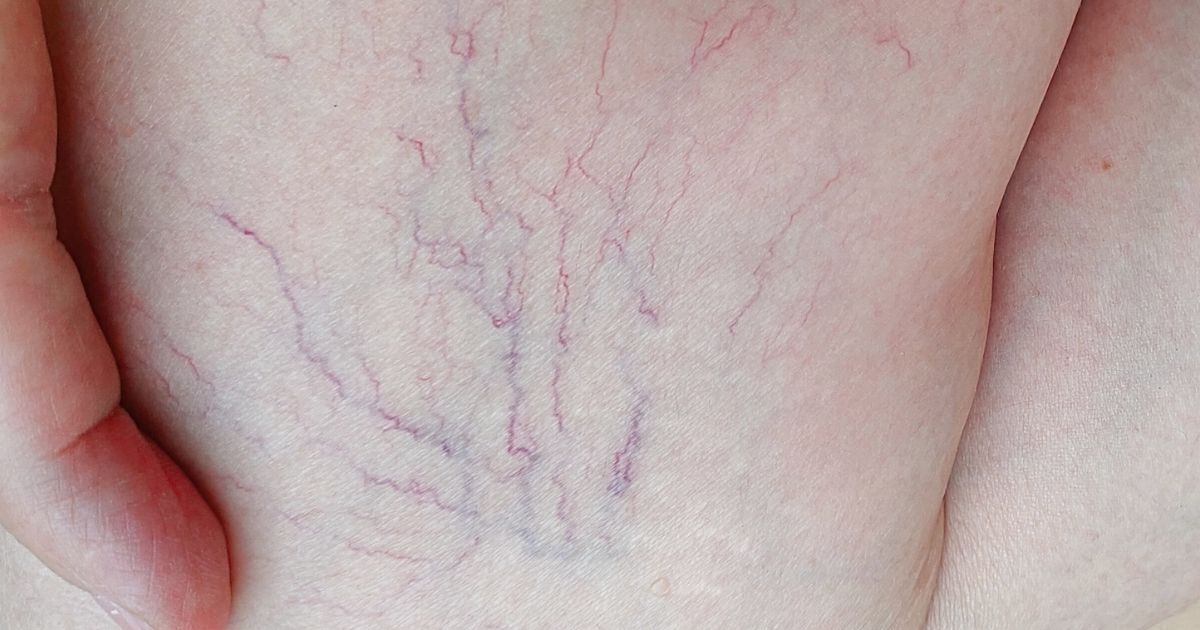
Microsclerotherapy is used to treat spider and reticular veins and telangiectasias. Reticular veins are larger spider veins with a bluish appearance. It involves injecting a small amount vein irritant (sclerosant) directly into the tiny veins using a very small needle. This irritates the vein lining, causing it to collapse and seal. The treated veins gradually fade over several months.
The procedure usually takes about 15–30 minutes. No pain relief is needed, but a sedative is available if requested. Often several sessions may be needed for best cosmetic results.
Spider Vein Laser
A Pulse Laser Aesthetics skin treatment which uses a hi-spec vascular laser to treat small veins and Spider Veins. Laser is available at our clinics in Auckland and Wellington.
View Laser Treatments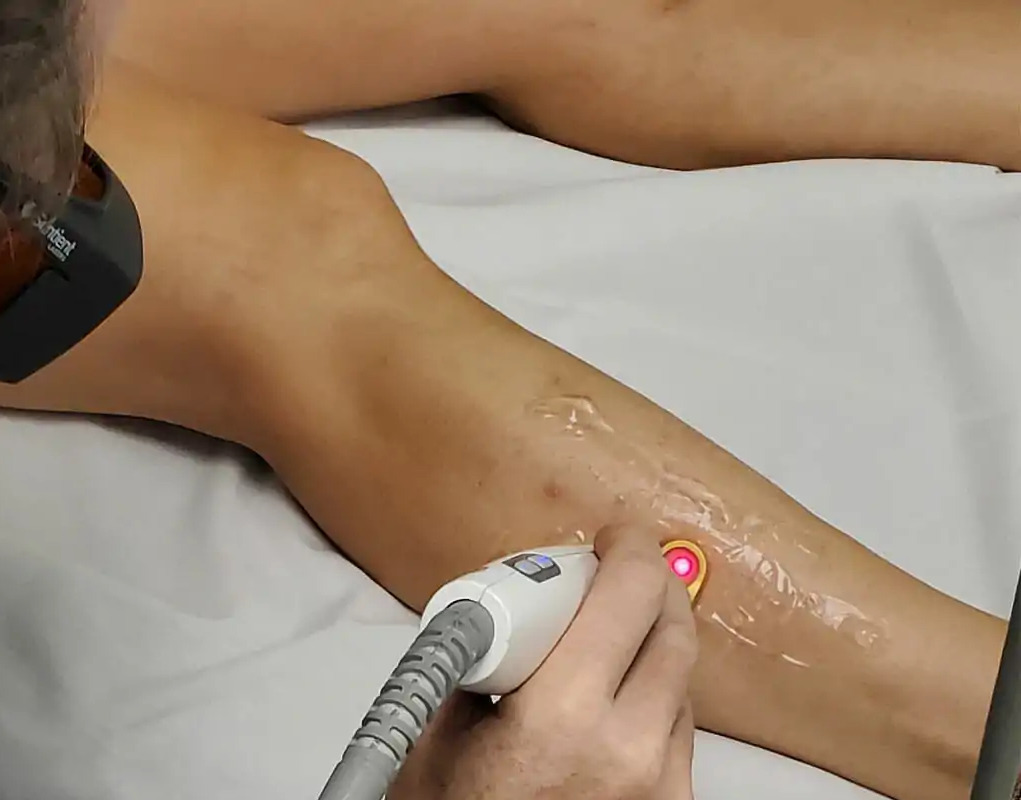
Varicose Vein Surgery
Varicose vein surgery is uncommon these days. Sometimes small minor surgical procedures are necessary to treat areas of large varicose veins that are not suitable for ablation using heat or sealant treatments. They are usually performed under local anaesthetic.
Learn About Surgery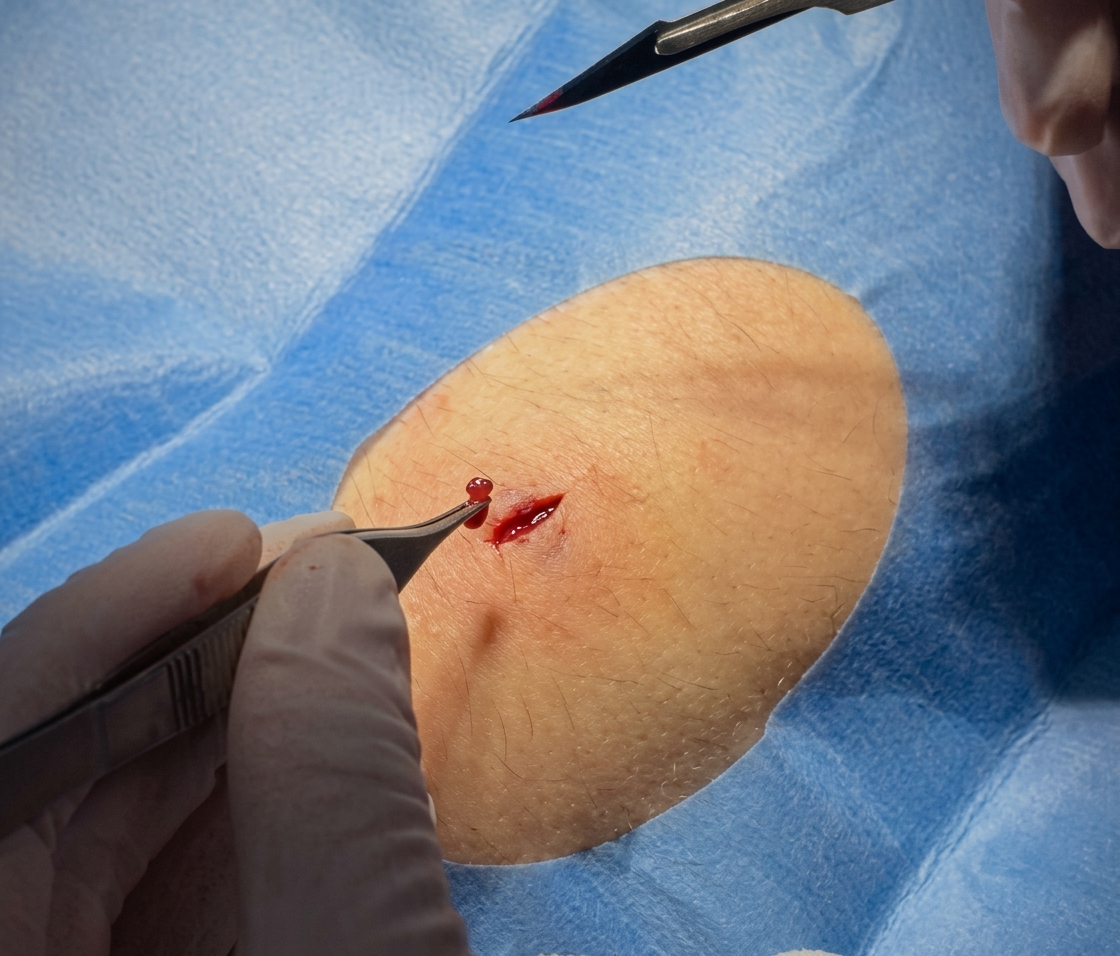
Varicose Vein Surgery
Most varicose vein treatment can now be performed using minimally invasive treatments such as Venaseal, Radiofrequency and Ultrasound-guided Sclerotherapy. These techniques allow for walk-in, walk-out treatments with minimal downtime.
Varicose vein surgery still has a strong role in some situations. These mainly involve leaking vein junctions between the deep and surface veins where there is not enough room to safely or effectively close these junctions with sealant or thermal techniques. Failure to adequately treat these areas usually results in rapid recurrence.
The current role of vein surgery:
- Leaking junctions which cannot be safely or effectively sealed by sealant (Venaseal) or thermal techniques (RFA)
- Aberrant venous anatomy
- Failed minimally invasive treatments which have led to recurrence
Procedure Expectations
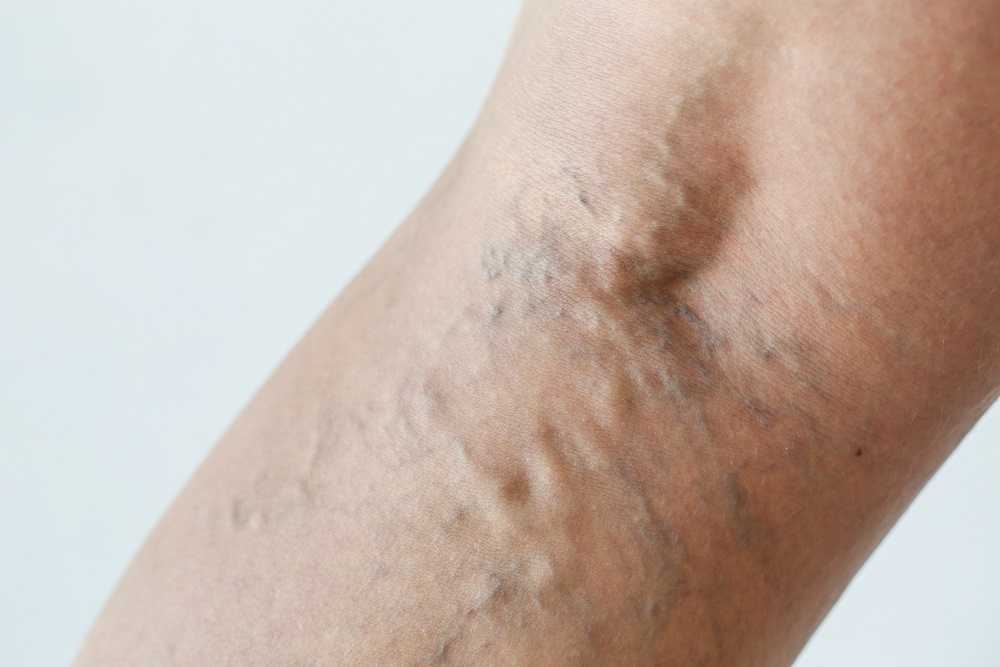
Your vein specialist will go through the procedure consent process with you. This will explain the procedure, the risks, and your aftercare. This is a good opportunity to ask any questions.
For the procedure you will wear a hospital gown. Your underwear stays on, but you may wish to bring some shorts to wear if you prefer. Most patients find the injections mildly uncomfortable, but you are welcome to request a sedative if you wish. The treated veins often feel stingy and burning for about 20–30 minutes.
After the treatment, we will supply and put on your compression stockings. You will need to keep these on for 7–10 days, depending on the size and extent of the vein treated. Keeping moving is essential after treatment to reduce the very small risk of a DVT. In general, you can return to light walking immediately, but also while at home or work, get up and move around every 30 minutes through the day and evening.
Recovery Guidelines (Venaseal and RFA)
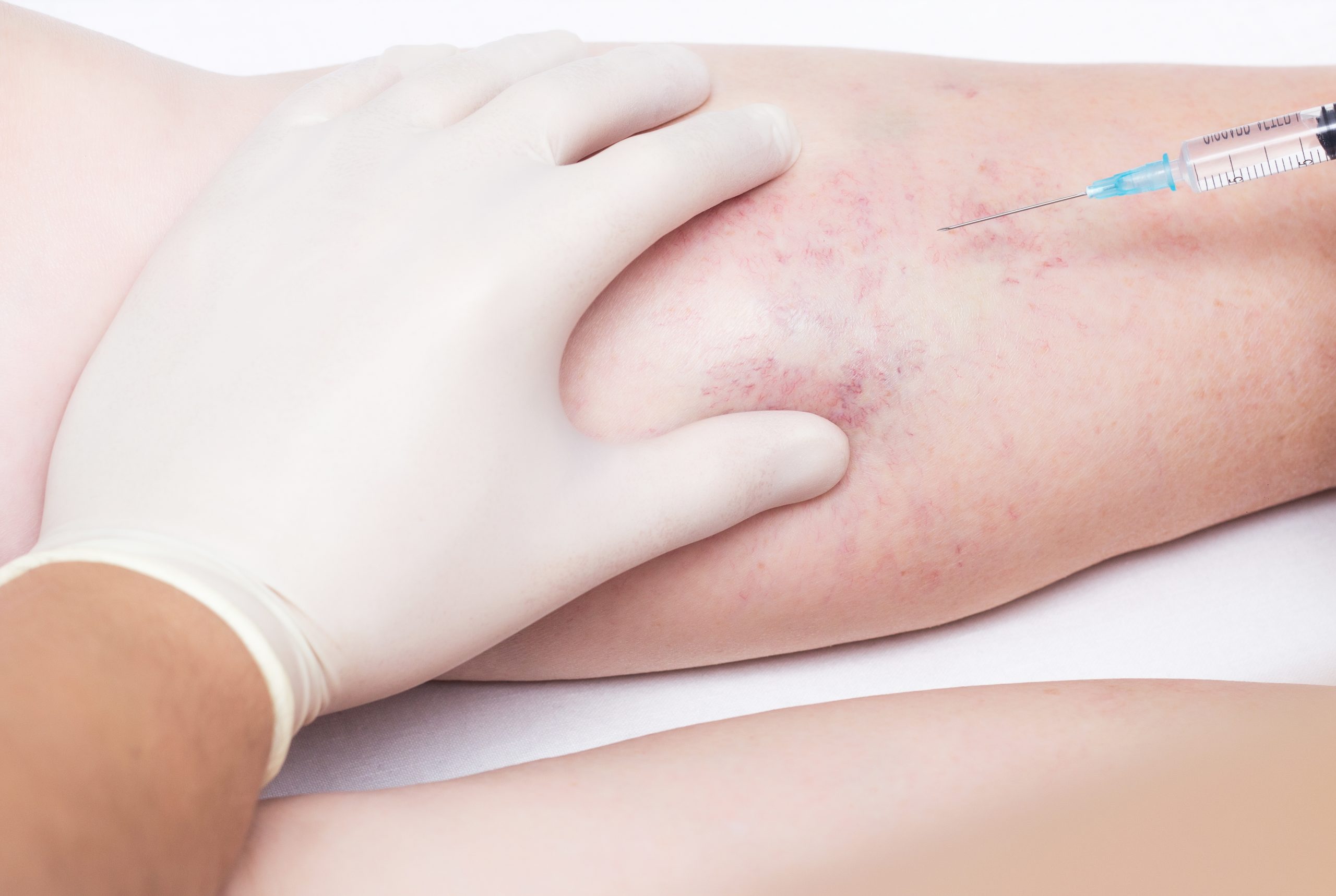
- Compression Stockings: Wear for 10 days.
- Walking: Light walking immediately. Small walks around home/work every 30min.
- Exercise: Avoid straining for 10 days while the stockings are on.
- Domestic travel: No stand down.
- Overseas Travel: Australia – 2 weeks, Asia/US – 4 weeks, Europe – 6 weeks.
- Tender lumps: These are the treated veins and will slowly settle over 6–12 weeks.
- Bruising and discolouration: This is common and forms from iron released from blood in the treated veins. It clears over 3–6 months in most people.
- Deep Vein Thrombosis (DVT): The overall risk is 0.1%. Contact our nurses if concerned.
- Pulmonary Embolus (PE): The overall risk is 0.02%. Symptoms may include chest pain and shortness of breath. Contact our nurses if concerned. Call 111 if it is an emergency.
Microsclerotherapy Recovery Guidelines
- Compression Stockings: Wear for 7–10 days as directed.
- Walking: Light walking immediately. Small walks around home/work every 30min.
- Exercise: Avoid straining for 7–10 days while the stockings are on.
- Domestic travel: No stand down.
- Overseas Travel: Australia – 2 weeks, Asia/US – 4 weeks, Europe – 6 weeks.
- Tender lumps: These are the treated veins and will slowly settle over 6–12 weeks.
- Bruising and discolouration: This is common and forms from iron released from blood in the treated veins. It clears over 3–6 months in most people. Some patients may develop fine new vessels near the treated area (matting). These can usually be improved with laser treatment.
- Deep Vein Thrombosis (DVT): The overall risk is 0.1%. Contact our nurses if concerned.
- Pulmonary Embolus (PE): The overall risk is 0.02%. Symptoms may include chest pain and shortness of breath. Contact our nurses if concerned. Call 111 if it is an emergency.
Compression & Recovery
Both RFA and Venaseal have equally effective outcomes in the medium to long term. The main downside with RFA is the uncommon potential for nerve and skin damage caused by the heating. The main downside with Venaseal is the very small risk of short term reaction to the sealant.
Book Your Assessment
Whether you have painful varicose veins or cosmetic spider veins, our specialist team creates a tailored treatment plan for you.
Phone: 0800 45 45 99
Email: info@pulsehealth.nz
Office Address: 1/39 Ghuznee Street, Te Aro 6011, Wellington