
Compression for Health, Recovery & Performance.
From managing varicose veins and pregnancy swelling to enhancing sports recovery and travel safety, discover how expert-fitted compression wear supports your daily health and performance.
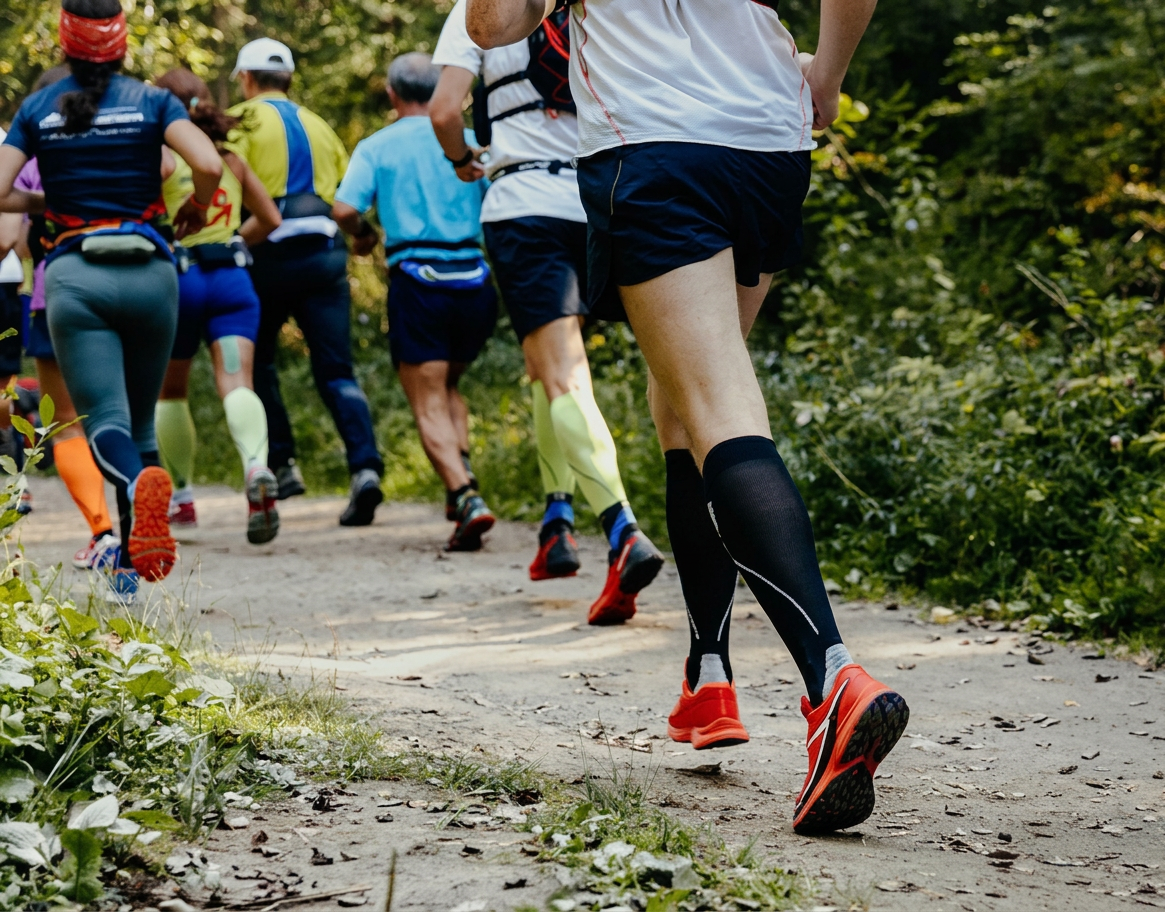
Compression for Varicose Veins
Compression socks and stockings (GCS) are the main management strategy for people with symptomatic varicose veins who do not have varicose treatment. They relieve symptoms, protect the skin, and reduce complications such as Venous Eczema, Venous Ulcer, Venous Bleeding and Blood Clots (SVT). They do not cure the underlying vein valve problem, but daily use can slow progression.
They work by improving blood flow back to the heart, reducing venous pressure and pooling, limiting fluid leakage into surrounding tissues, and supporting the calf muscles.
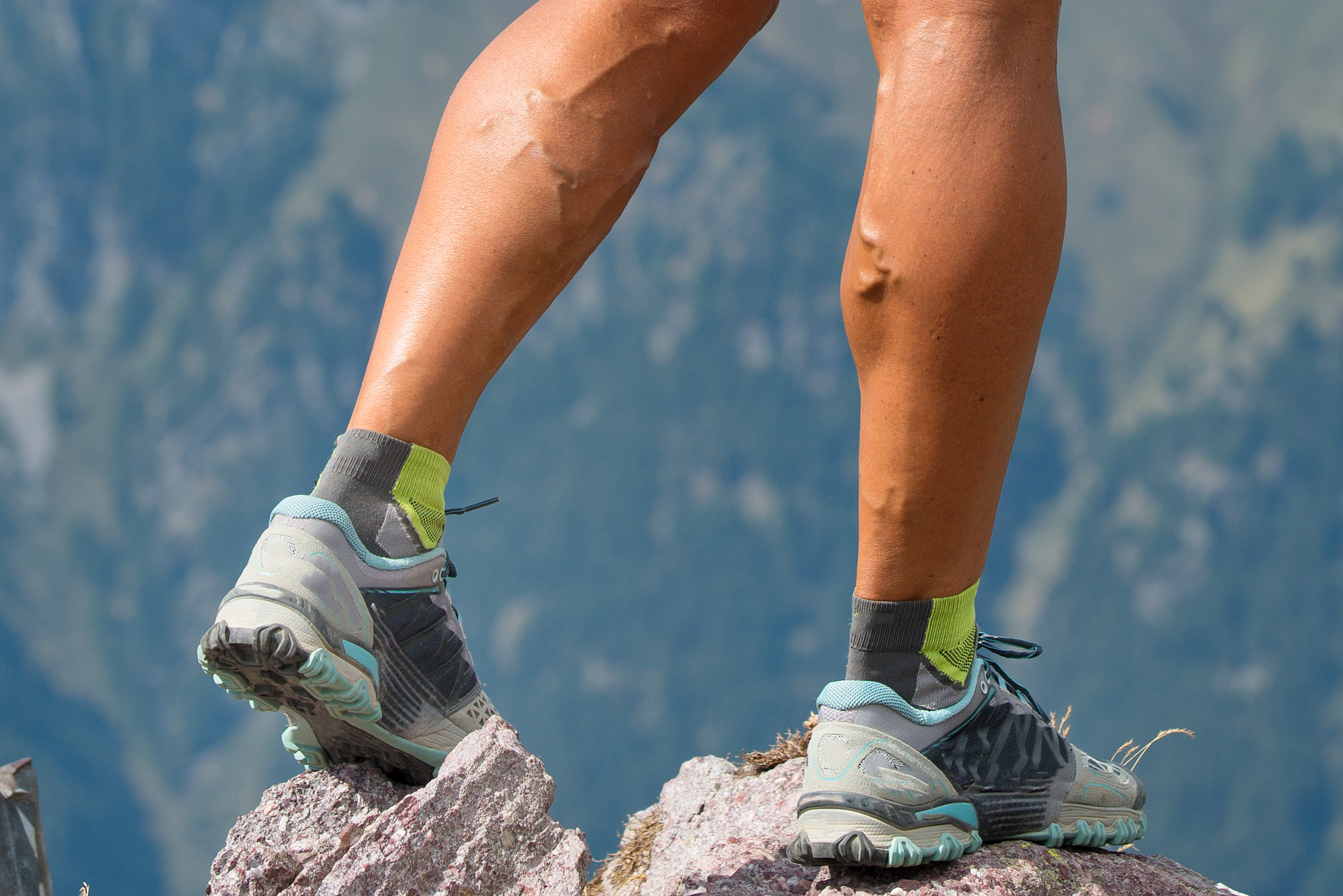
Applications & Strength
The Main Uses Are:
- Varicose veins
- Leg ache, heaviness, and fatigue
- Swelling (venous oedema)
- Venous eczema (stasis dermatitis)
- Skin pigmentation and inflammation
- Superficial venous thrombosis (SVT)
- Prevention and healing of venous leg ulcers
- Post-DVT and post-vein procedures
- Travel-related venous symptoms
Compression Strength
- Light: prevention and mild symptoms
- Moderate: varicose veins and mild swelling
- Firm: advanced venous disease and post-procedure care
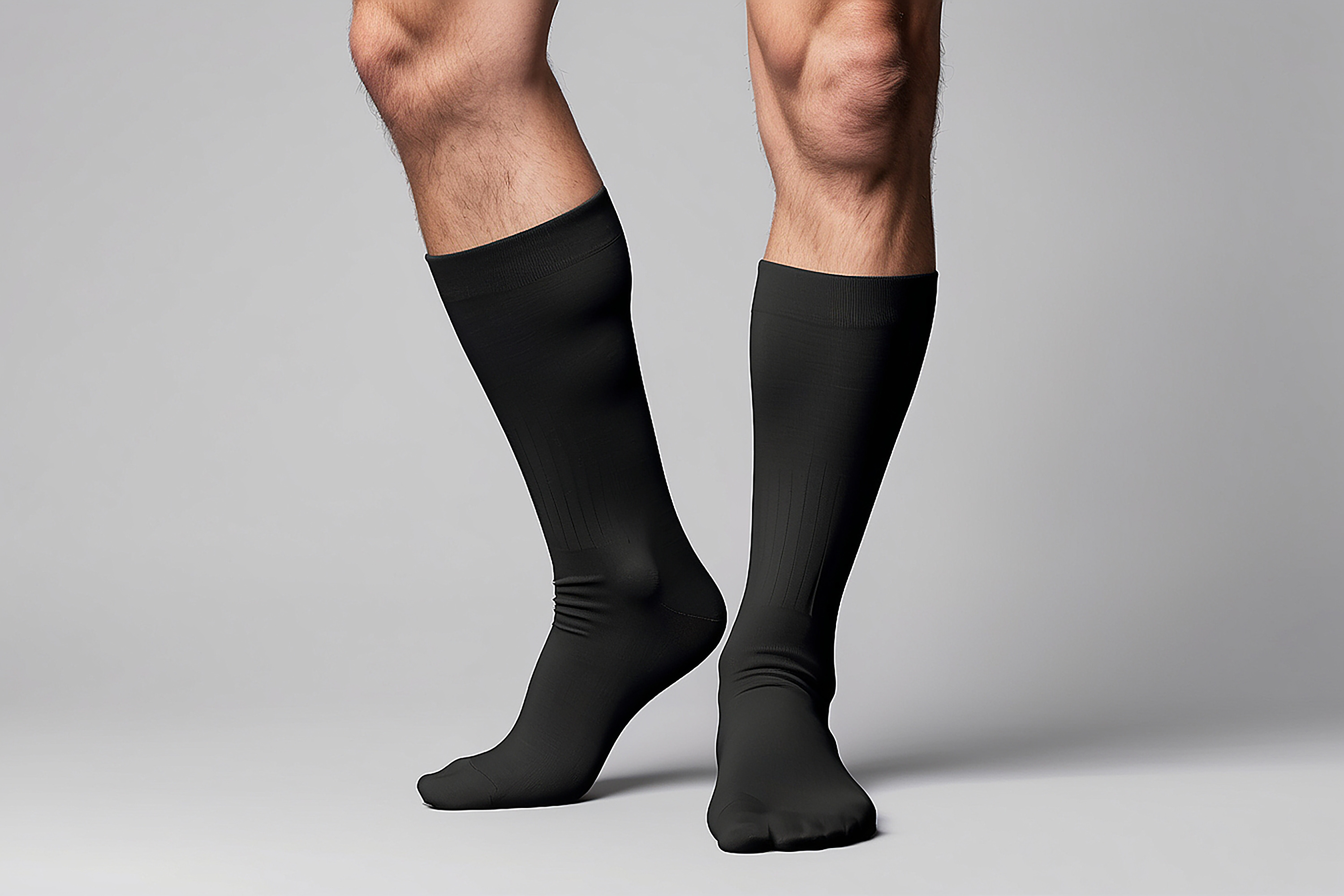
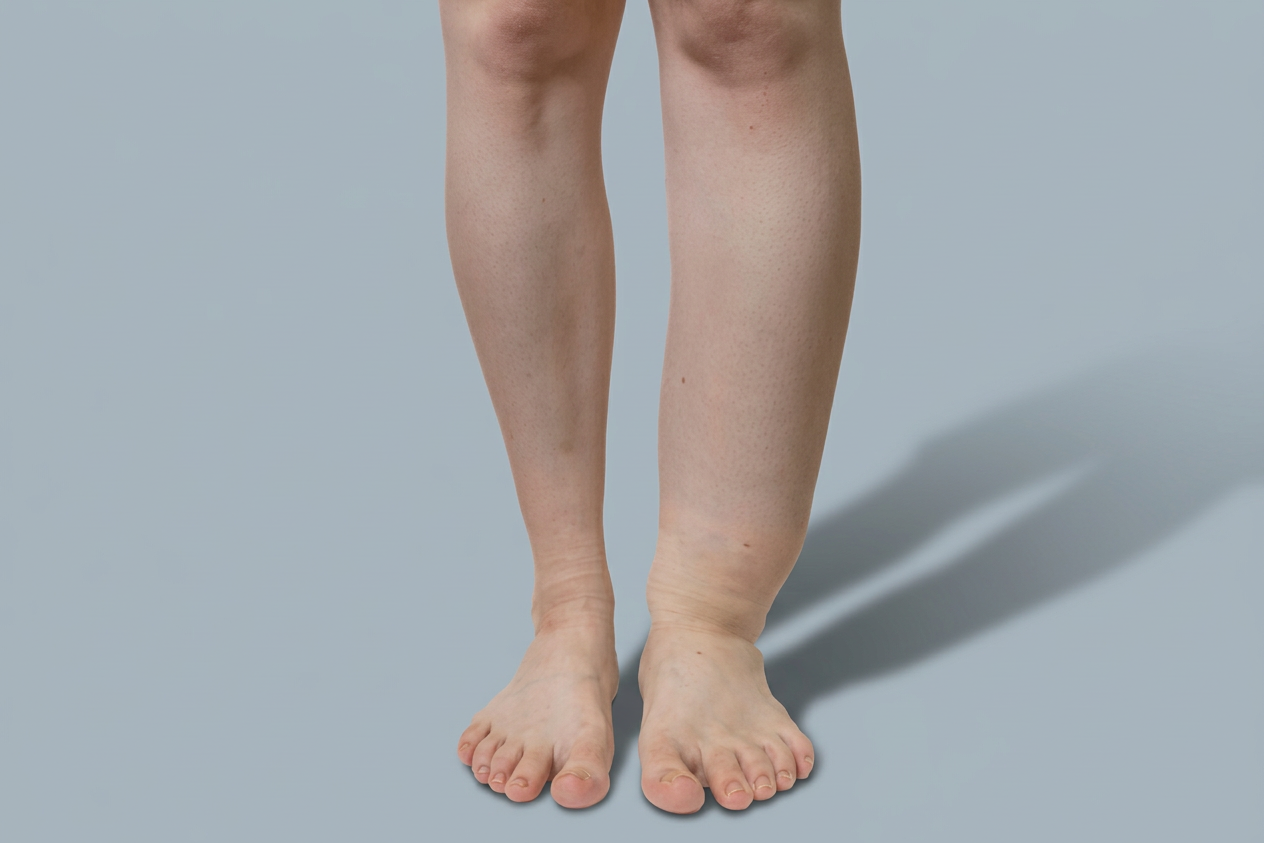
Oedema, Lymphoedema & Lipoedema
Graduated compression socks and stockings (GCS) are the key to managing leg swelling caused by oedema and lymphoedema. They are also useful for managing lipoedema symptoms.
GCS work by applying graduated external pressure, reducing fluid leakage from blood vessels, promoting reabsorption of tissue fluid, supporting venous and lymphatic return, improving limb shape and function, and protecting the skin from deterioration, ulcers and cellulitis (infection).
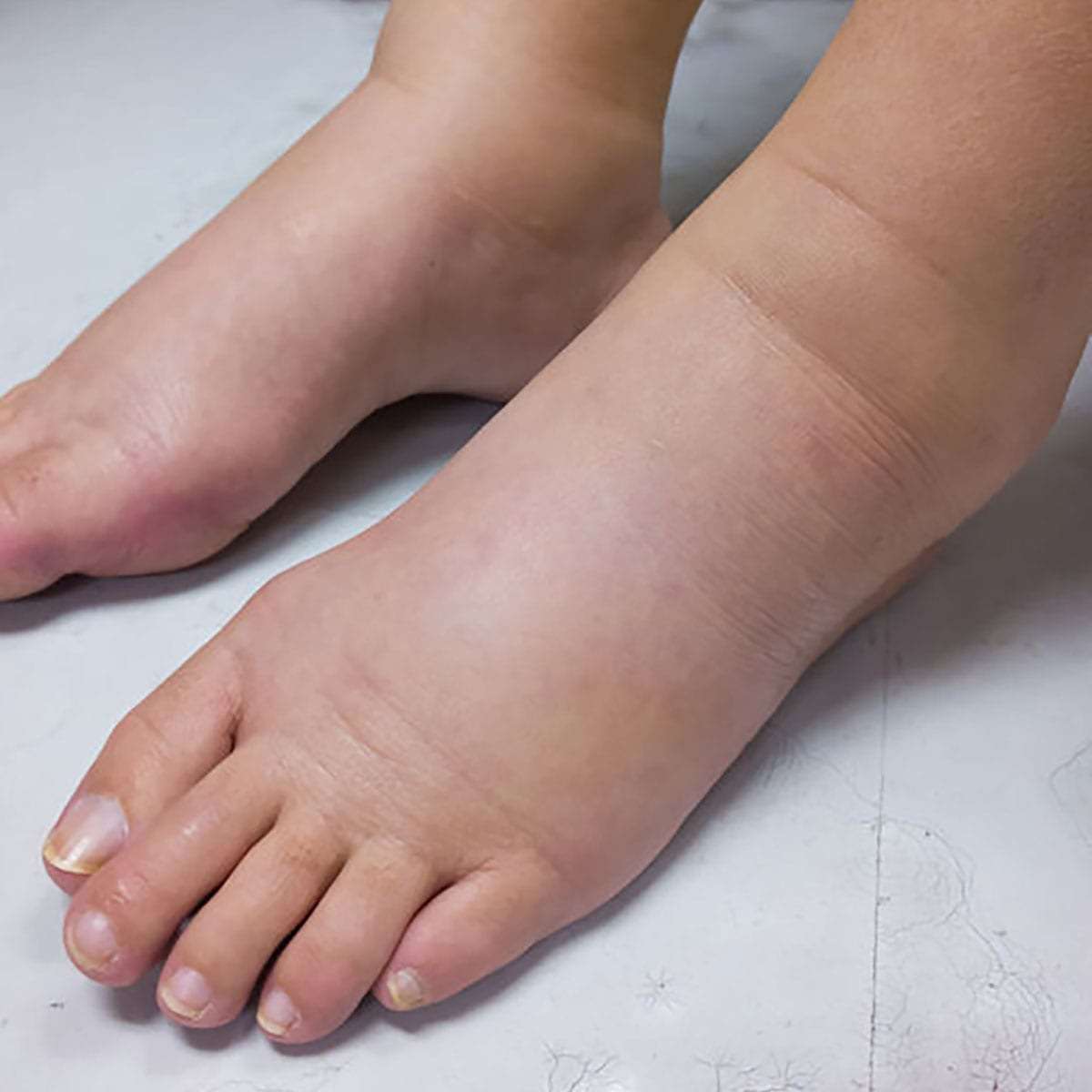
Types of Swelling
Oedema: Fluid accumulation in the tissues, commonly due to venous disease, immobility, heart failure, or pregnancy. Mild to moderate compression (Classes 1–2) is suitable for most people, depending on severity.
Lymphoedema: Chronic swelling caused by impaired lymphatic drainage (primary or secondary to surgery, cancer treatment, infection, or trauma). Moderate to firm compression is suitable for most people. Often custom-made stockings are required to accommodate leg shape.
Lipoedema: A chronic fat distribution disorder (almost exclusively in women) causing symmetrical leg enlargement, pain, tenderness, and easy bruising. The swelling is not primarily oedema. Mild to moderate compression is suitable for most people.
Aching Legs
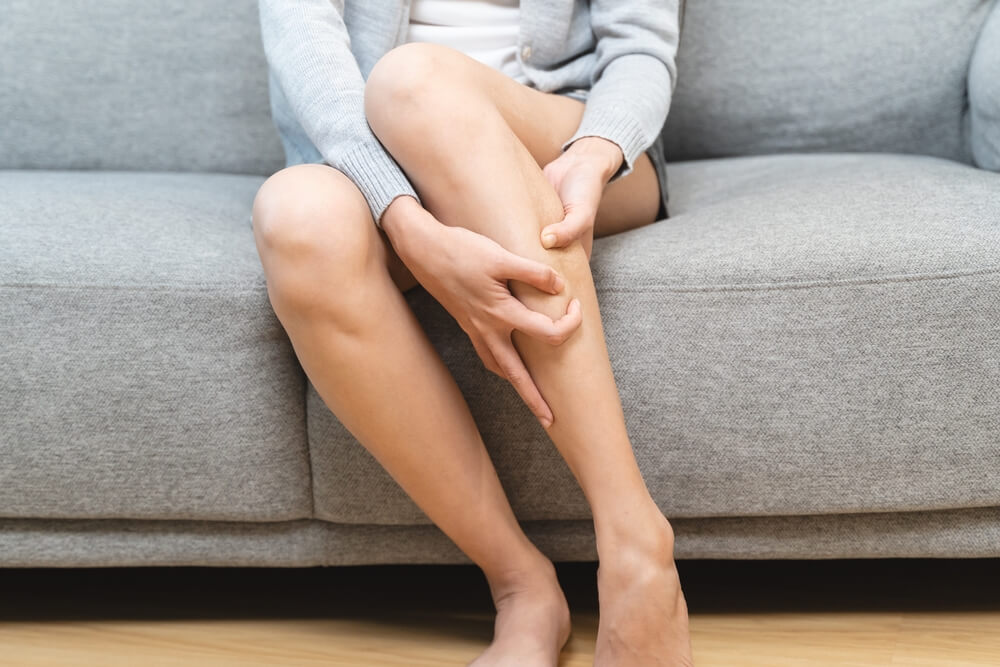
Compression socks and stockings are a very effective way of relieving aching, heavy, tired legs, particularly when symptoms are worse by the end of the day or after prolonged standing or sitting. Legs ache for various reasons: venous pooling from gravity and prolonged standing or sitting, varicose veins and venous insufficiency, muscle fatigue and reduced calf-pump activity, oedema that increases tissue pressure.
Compression stockings apply graduated pressure, strongest at the ankle and decreasing up the leg. This:
- Improves blood return to the heart
- Reduces blood pooling in leg veins
- Enhances calf muscle pump efficiency
- Limits oedema
- Reduces pressure and inflammation in the legs
When is compression most effective?
Light to moderate compression is usually sufficient for aching legs. This helps with:
- Work – Jobs involving prolonged standing or sitting
- Flying – Long-haul flights or travel
- Veins – Early venous symptoms without visible varicose veins
- Pregnancy – Pregnancy-related leg discomfort
- Exercise – Post-exercise recovery support
- Heat – Summer and high temperatures
- Obesity – Extra weight leads to oedema and aching, heavy legs
Recovery and Post-procedure
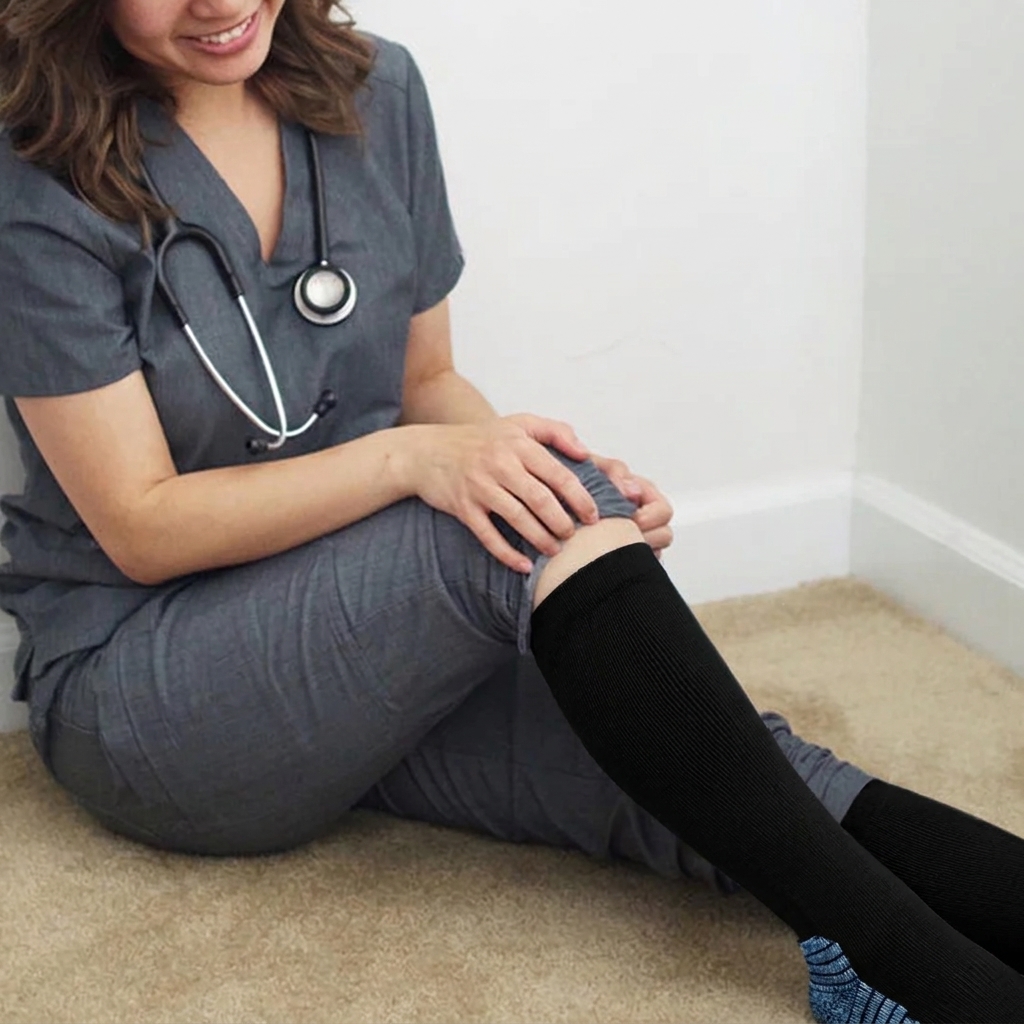
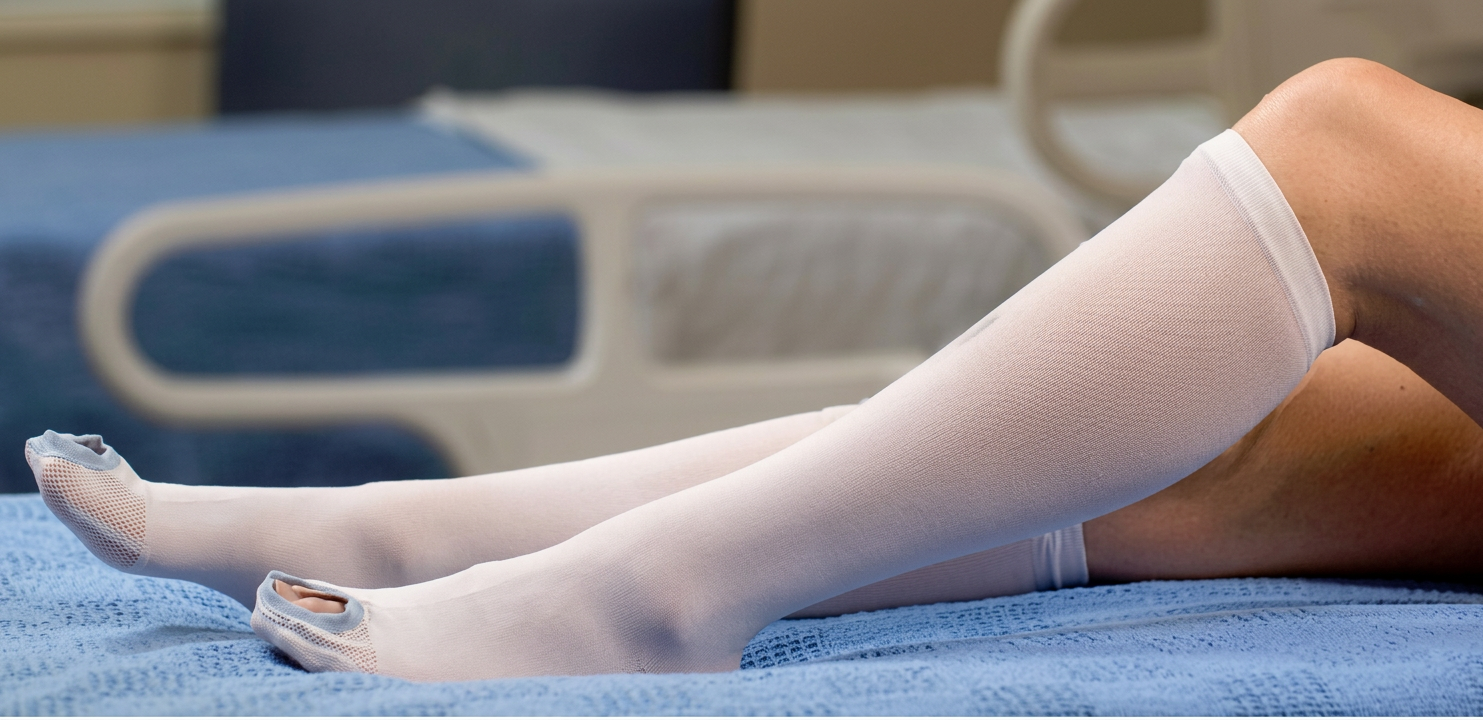
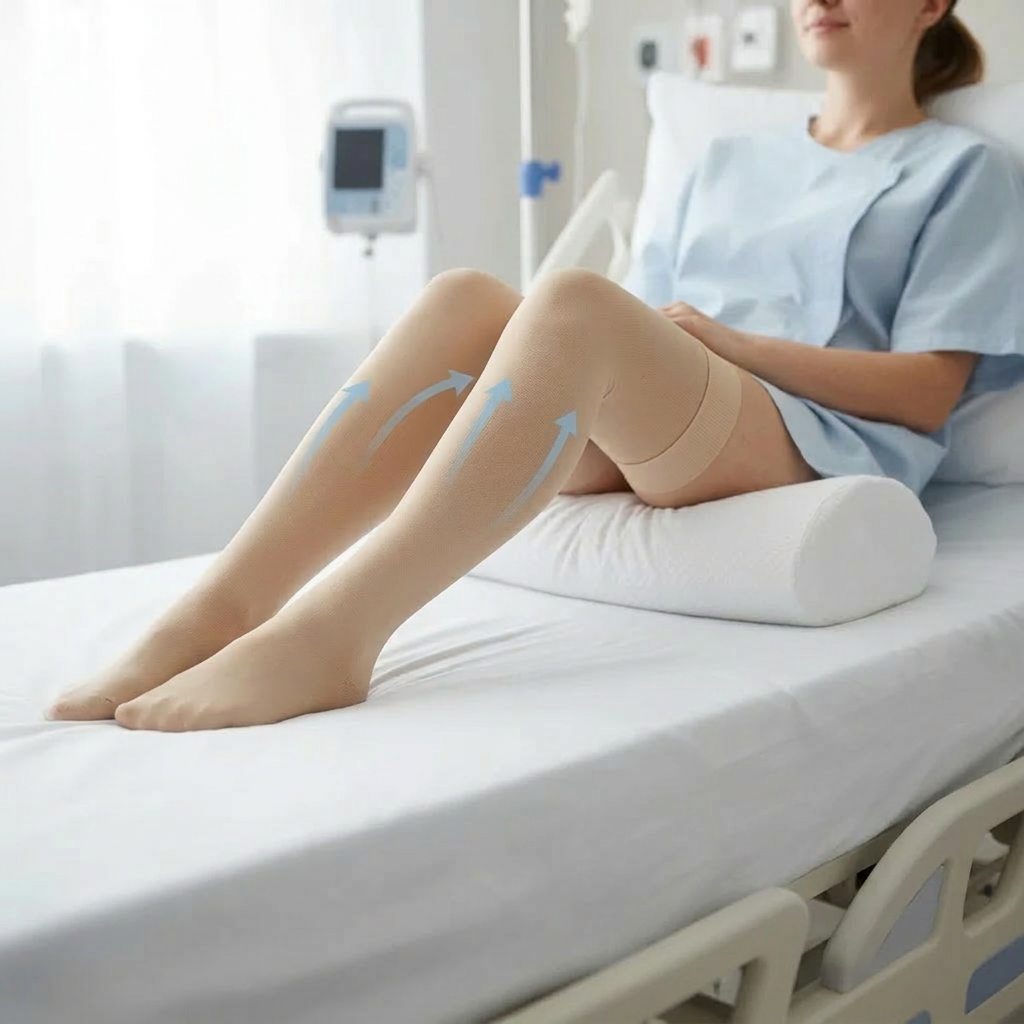
Compression stockings are commonly used after operations to prevent Deep Vein Thrombosis (DVT), to support circulation, swelling control, and recovery, particularly following procedures involving the legs, veins, or periods of reduced mobility.
After an operation there is a risk of leg swelling (oedema), deep vein thrombosis (DVT), discomfort and delayed wound healing. They are particularly useful after procedures that require bed rest and result in decreased mobility afterwards.
Postoperative Benefits
By applying targeted pressure after a procedure, compression stockings directly support your body's recovery systems.
- Improve venous return to the heart
- Reduce swelling and tissue pressure
- Support the calf muscle pump during early mobilisation
- Decrease the risk of DVT
- Reduce pain, tightness, and heaviness in the legs
Mild compression is usually adequate.
Pregnancy
Compression stockings are a safe way to manage the common oedema and varicose vein issues of pregnancy.
During pregnancy hormonal changes cause veins to relax and widen, the growing uterus increases pressure on pelvic veins, blood flow from the legs slows, and fluid retention increases. Together, these changes lead to leg aching, swelling (oedema), varicose veins, and an increased risk of clots.
Compression stockings apply graduated pressure, highest at the ankle and reducing up the leg. This:
- Improves blood return to the heart
- Reduces leg swelling (oedema)
- Relieves aching, heaviness, and fatigue
- Slows the development of varicose veins
- Lowers the risk of blood clots
- Ease night cramps and leg tightness
Light to moderate compression is usually adequate, depending on the severity of symptoms.
Maternity Design Features
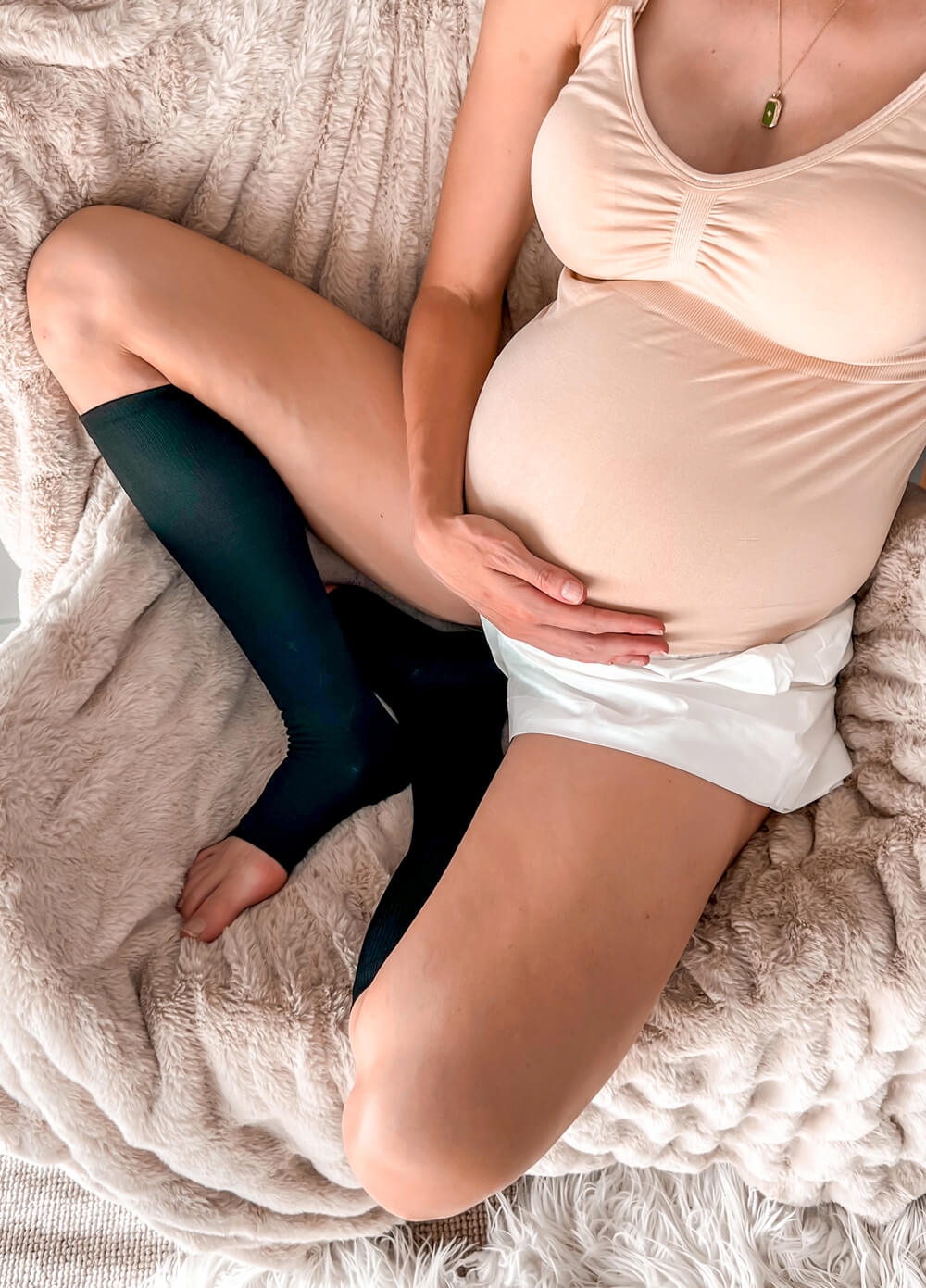
For the pregnancy bump (maternity compression) there is an expandable abdominal panel, designed to expand progressively as the bump grows and provides support without compression over the abdomen. Some designs offer gentle lower-abdominal support to help relieve back and pelvic strain.
For pregnancy-induced vulval and pelvic varicose veins, the design allows for extended compression over the groin and perineum using vulval panels, gussets and a higher density knit.
Pregnancy compression garments are designed for daily wear with soft, breathable yarns, moisture-absorbing fabrics, no seams, and high elasticity to adapt to body changes.

Sports and Performance
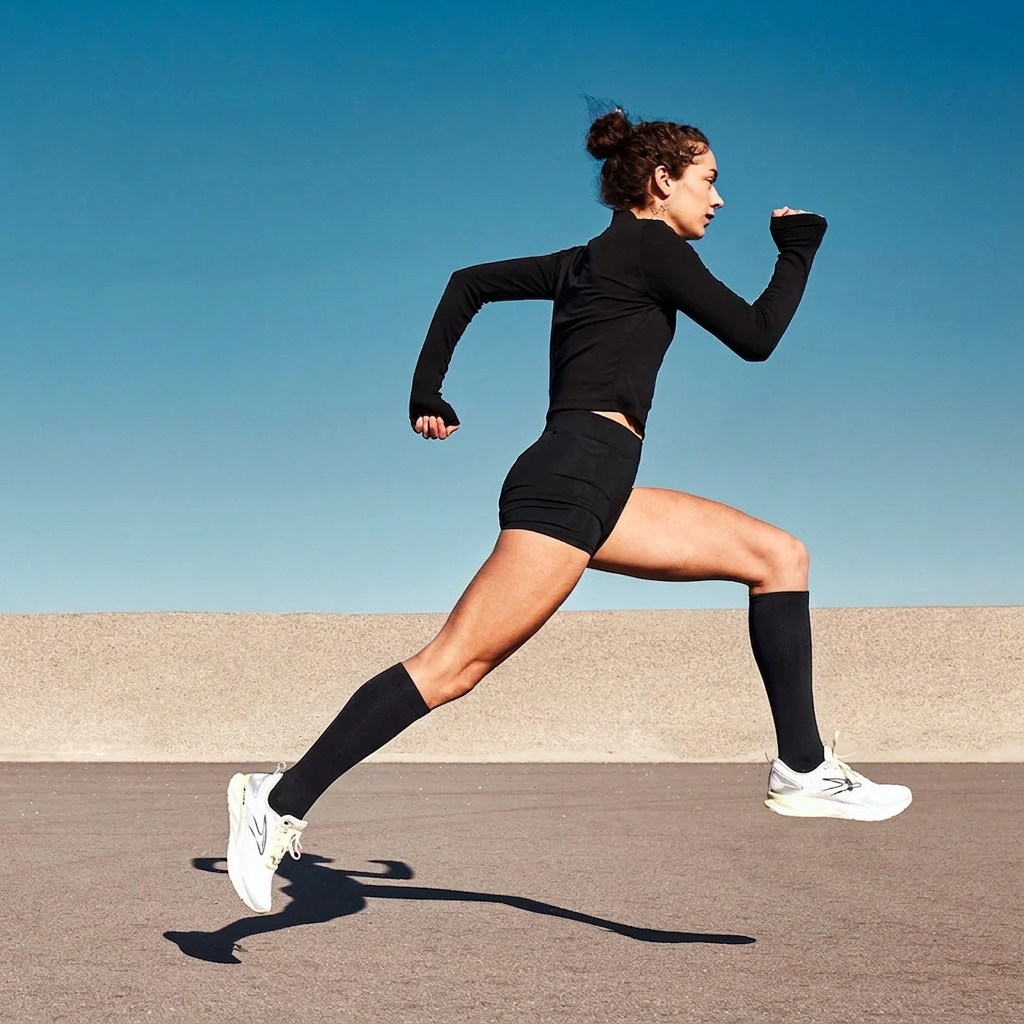
Compression socks and stockings are now commonly used for sport and exercise to support performance during activity and to enhance recovery afterward. Their benefits are greatest for endurance, repeated loading, and post-exercise recovery rather than raw power output.
During exercise, compression stockings apply graduated pressure to the legs, improve venous return during muscle contraction, reduce blood pooling and venous pressure, support the calf muscle pump, limit fluid accumulation and muscle vibration.
As a result, there is:- Reduced leg fatigue and heaviness
- Improved muscle stability (less oscillation)
- Enhanced proprioception (sense of limb position)
- Improved comfort during long or repeated sessions
- Helpful for endurance activities (running, cycling, walking)
Evidence shows direct benefits for comfort and fatigue reduction.
Recovery & Fabric Design
Post-Exercise Recovery
For sports recovery, compression stockings are particularly effective after exercise to:
- Improve clearance of metabolic by-products
- Reduce post-exercise swelling
- Lessen delayed onset muscle soreness (DOMS)
- Support faster return to training
- Reduce heaviness after long events or travel
Purpose-Built for Sport
Light to moderate compression is typically used for sport. Firm compression may be used for recovery, not usually during high-intensity exercise. Below-knee socks and stockings or calf sleeves are most common.
Fabric design features for sport include breathable, moisture-wicking fabrics, anatomical shaping, targeted calf support, flat seams, and durable yarns.

Travel and Flying
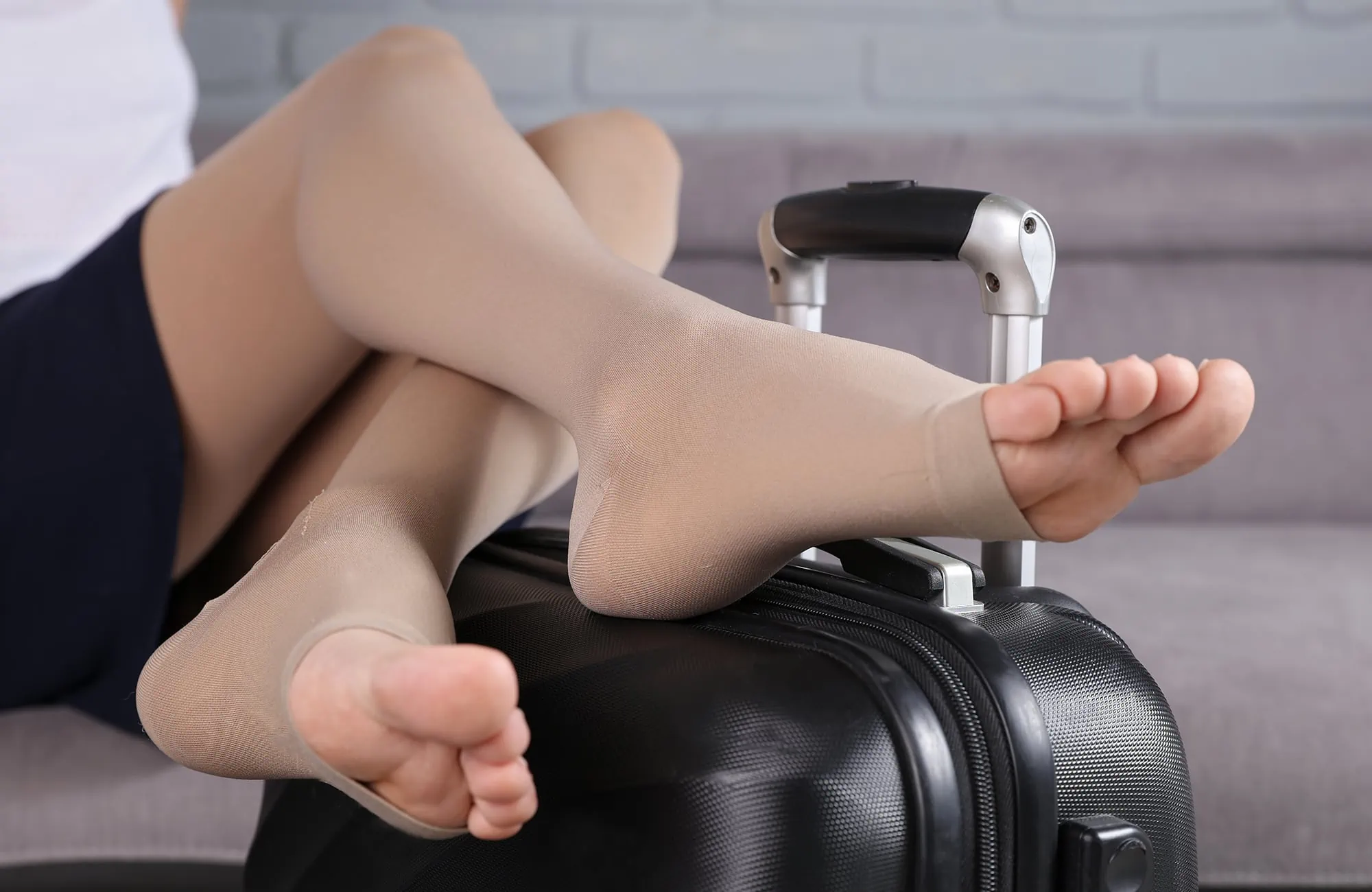
Compression socks and stockings reduce leg swelling, discomfort, and the risk of blood clots (DVT) during long-haul air travel, car, train or bus travel, particularly where movement and leg room is limited.
The reduced leg movement, cramped seating, dehydration, and cabin pressure all slow blood flow in the legs, increasing the risk of a DVT.
How Graduated Pressure Helps:Compression socks apply graduated pressure, strongest at the ankle and decreasing up the leg. This:
- Improves venous return to the heart
- Reduces blood pooling in the legs
- Limits fluid leakage and swelling
- Increases blood flow velocity
- Reduces clot formation risk
Who Benefits Most?
Compression is highly recommended for protecting your vascular health during transit. They are especially useful for:
- Flights, car, train or bus travel longer than 4–6 hours
- Tall or immobile passengers
- Pregnancy or post-partum travel
- Varicose veins or leg swelling
- Previous DVT or clot risk factors
- Recent surgery or illness
- Advanced age, heart failure, obesity, oral contraception and hormone replacement
Light to moderate below-knee compression is sufficient for most travellers. Other strategies such as walking on the flight or taking frequent breaks in car or bus, calf exercises, hydration, and avoiding tight clothing at the groin are also important.
Note: It is not uncommon for a DVT to occur a few days or even weeks after the travel.

Ready for expert fitting and advice?
Share your goals with the Pulse Health team and receive a compression wear plan tailored to your needs, whether for varicose veins, sports recovery, travel, or pregnancy support.
Phone: 0800 45 45 99
Email: info@pulsehealth.nz
Office Address: 1/39 Ghuznee Street, Te Aro 6011, Wellington