Vascular Specialist Care

Treatment & Management.

Comprehensive care plans, compression therapy, and ongoing support for leg swelling.

Leg Swelling Care
The Approach

Treatment Overview

Treatment for leg swelling ultimately depends on the type and cause of swelling. In many cases, a combination of therapies is used to control symptoms and improve quality of life.

In general, treatment involves a combination of:

  • Compression therapy
  • Regular physical activity and gentle exercise
  • Elevation of affected limbs
  • Skin care to prevent infection and breakdown
  • Weight management and a healthy diet
  • Varicose vein treatment as needed

Additional measures may include diuretics (water tablets), for example in heart failure; massage; rarely lymphatic surgery for lymphoedema; and liposuction for lipoedema.
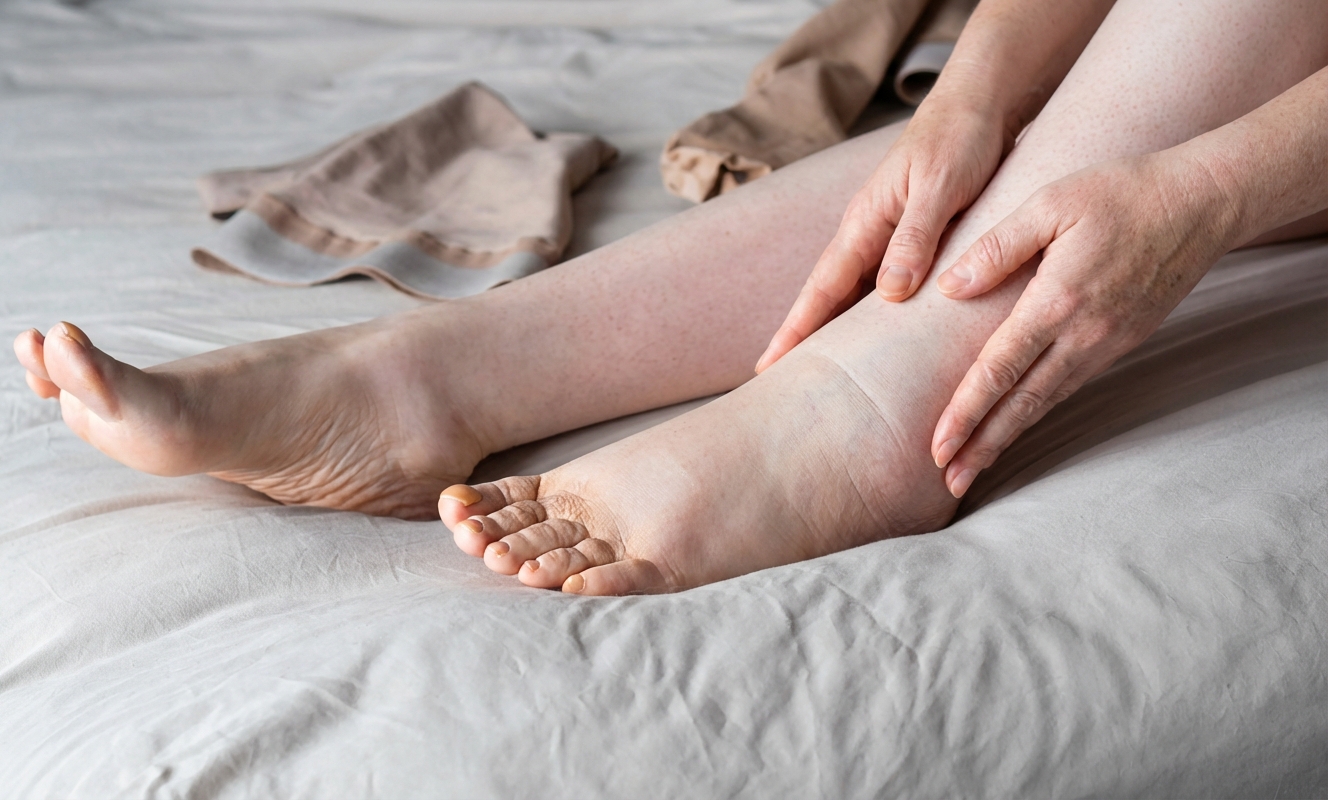
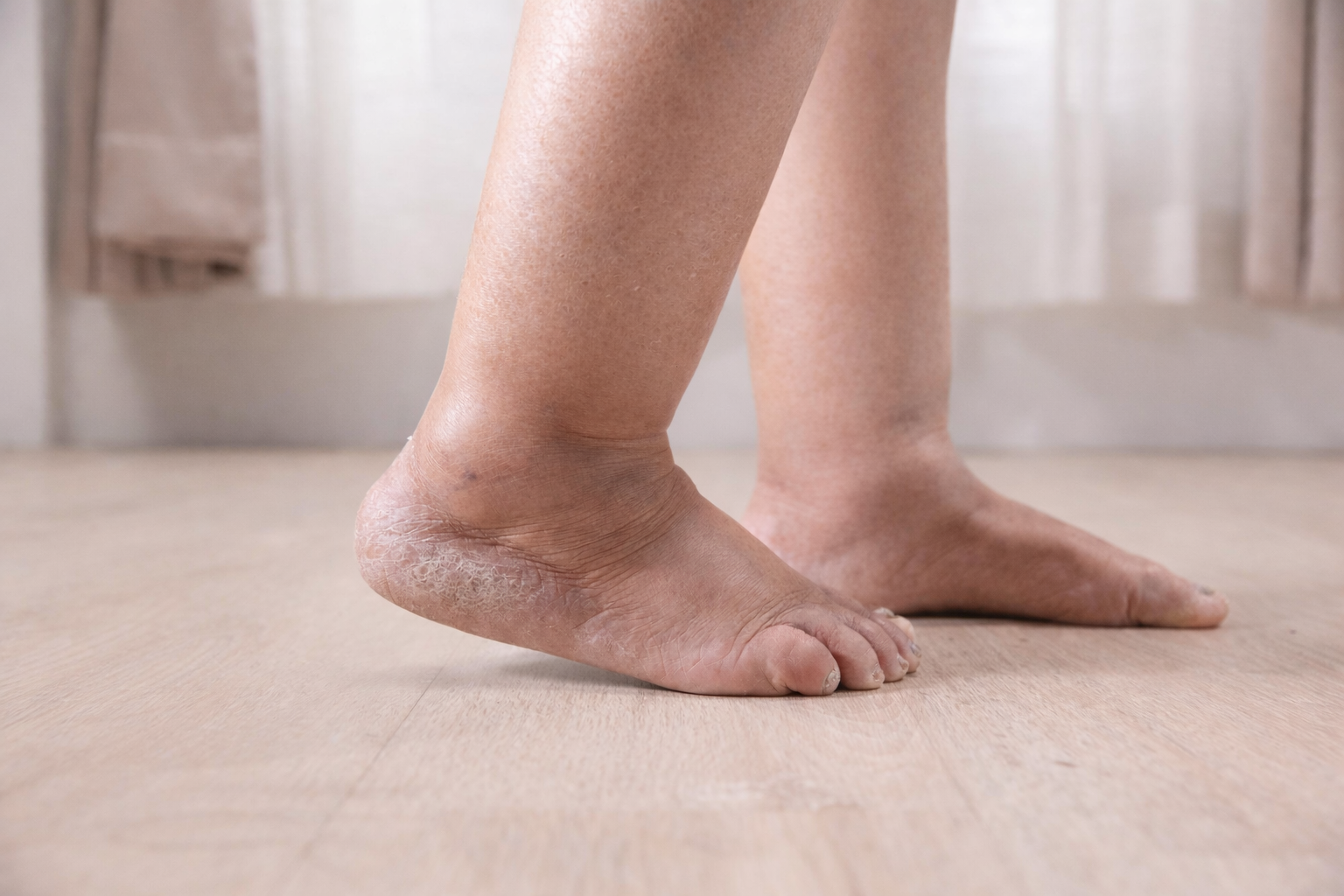
Treatment Overview
Long-Term Care

Therapies & Ongoing Care

Specialized physical therapies can play a crucial role in managing fluid retention, particularly for lymphoedema and lipoedema patients.

Massage therapies may include:

  • Manual lymphatic drainage
  • Complex decongestive therapy
  • Physiotherapy or specialist exercise programs

Most swelling conditions are long-term. Ongoing care, regular follow-up, and self-management strategies are important for maintaining limb health and function.

Therapies and Massage
Core Treatment

Compression Therapy

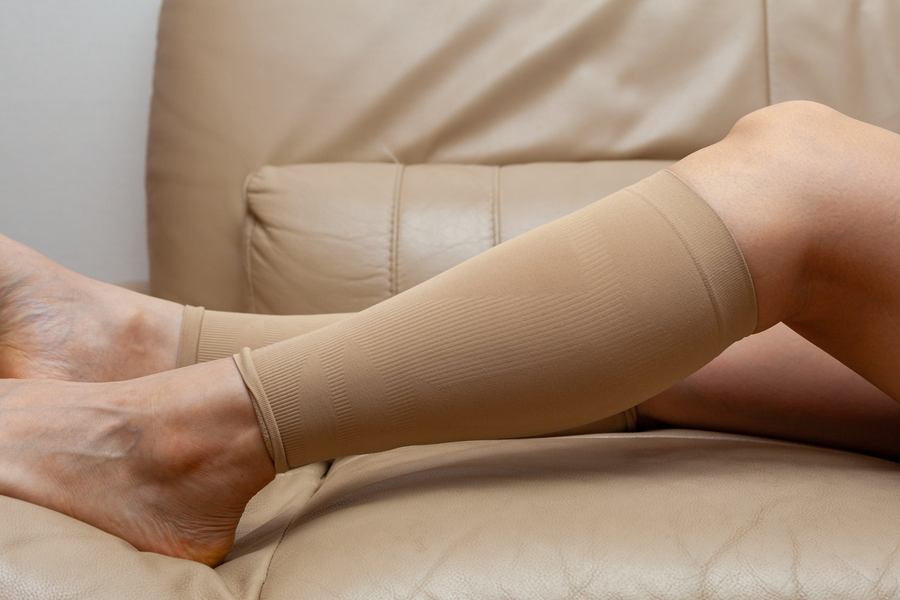
Compression therapy uses specially designed garments or bandages to apply controlled pressure to the limb. This helps move fluid and blood back toward the heart and reduces swelling.

Benefits of compression include:

  • Reduces fluid build-up in tissues
  • Improves venous and lymphatic circulation
  • Relieves discomfort and heaviness
  • Helps prevent skin damage and ulcers
  • Improves mobility

Compression is available as socks, stockings, bandages, and adjustable wraps.

Compression Therapy
Guidelines

Assessment & Safe Usage

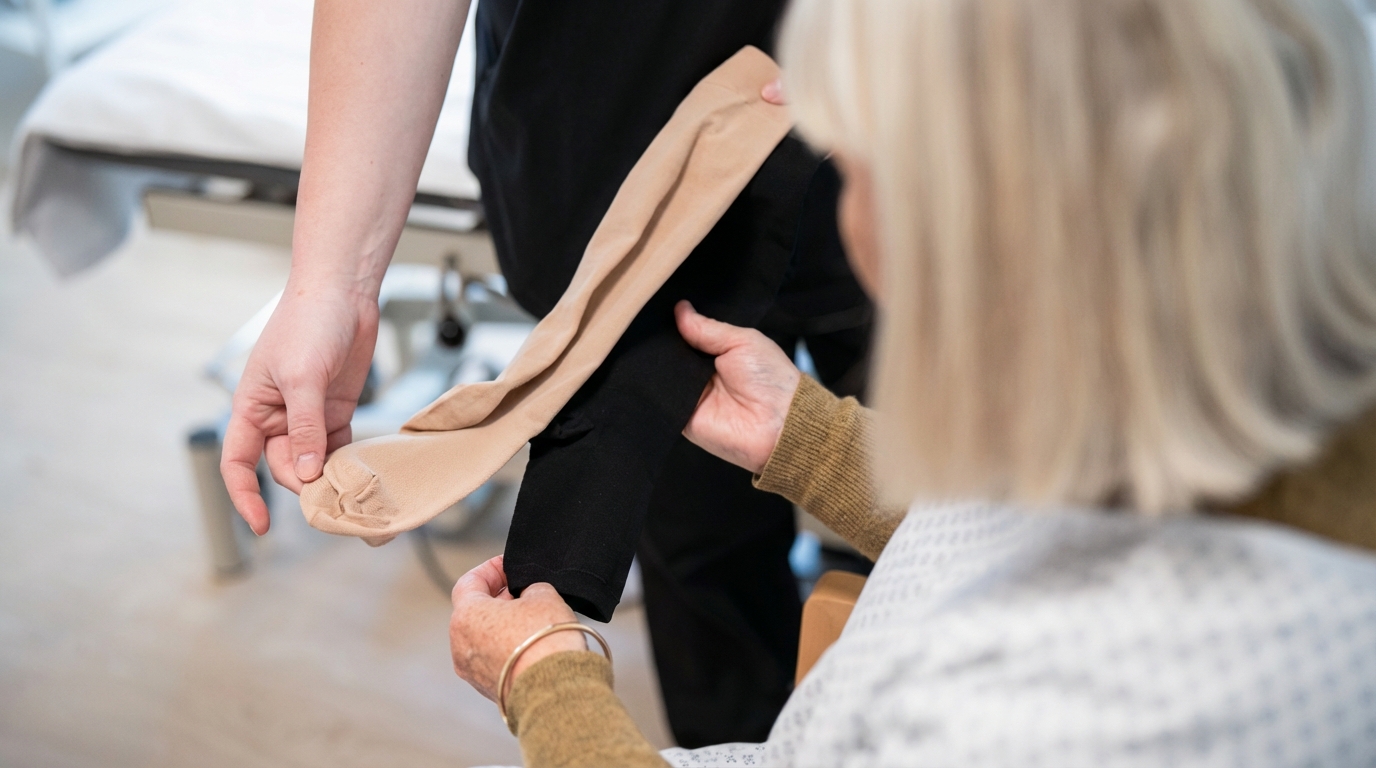
The correct type and strength of compression is essential. Compression should be as comfortable as possible while still being effective. Typically, a specialist nurse will assess and recommend the correct level of compression for you.

If there are underlying arterial issues, compression strength requires assessment, usually with an ABI (Ankle-Brachial Index) or arterial ultrasound, followed by close monitoring. Many patients with lymphoedema require custom-made socks and stockings to accommodate the shape and size of the affected limbs.

How to Use Compression Safely:

  • Apply in the morning when swelling is lowest
  • Check skin daily for redness or irritation
  • Do not roll or fold garments
  • Remove at night unless advised otherwise
Safe Compression Usage
Effective Swelling Management
Contact Us

Get Relief Today.

Request a callback or book your initial consultation to address your leg swelling. Referrals are welcome but not always required.

Phone: 0800 45 45 99

Email: info@pulsehealth.nz

Office Address: 1/39 Ghuznee Street, Te Aro 6011, Wellington