Vascular Specialist Care

Types of Leg Swelling.

Expert diagnosis and tailored management plans for Leg Oedema, Lymphoedema, and Lipoedema.

Leg Swelling Care
Overview

Leg Oedema

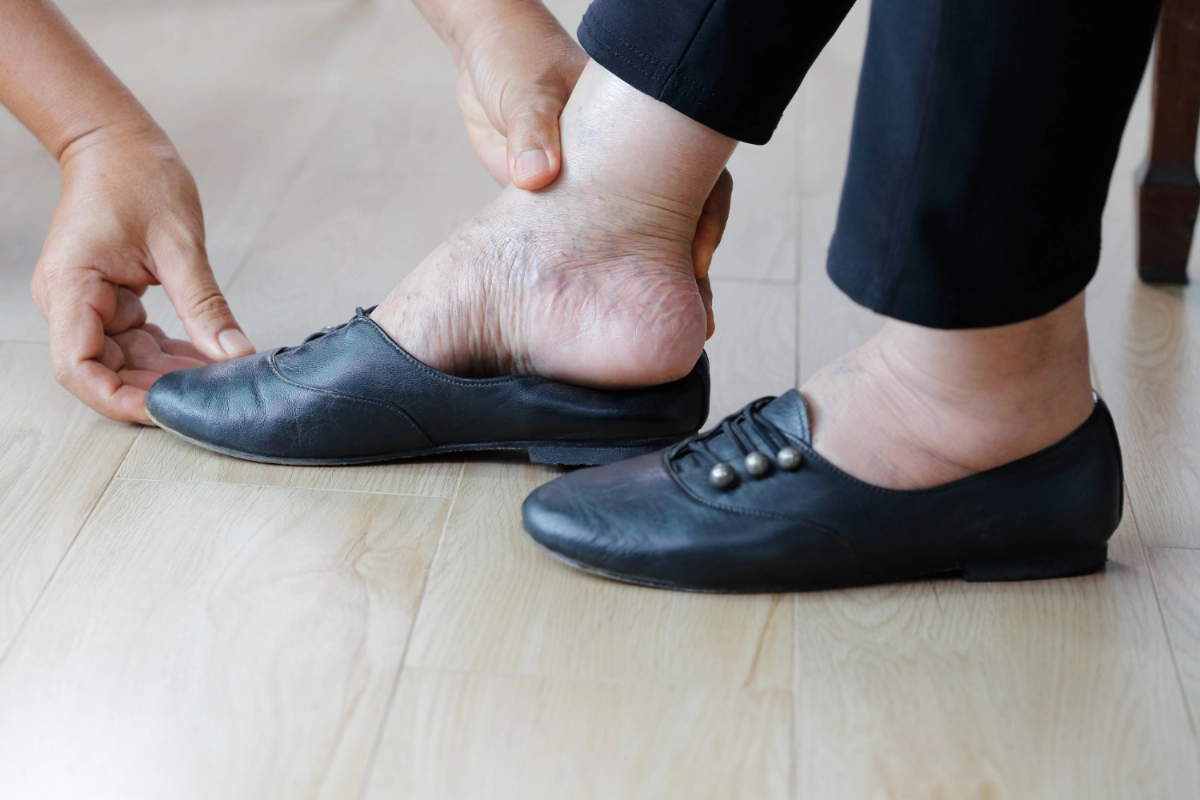
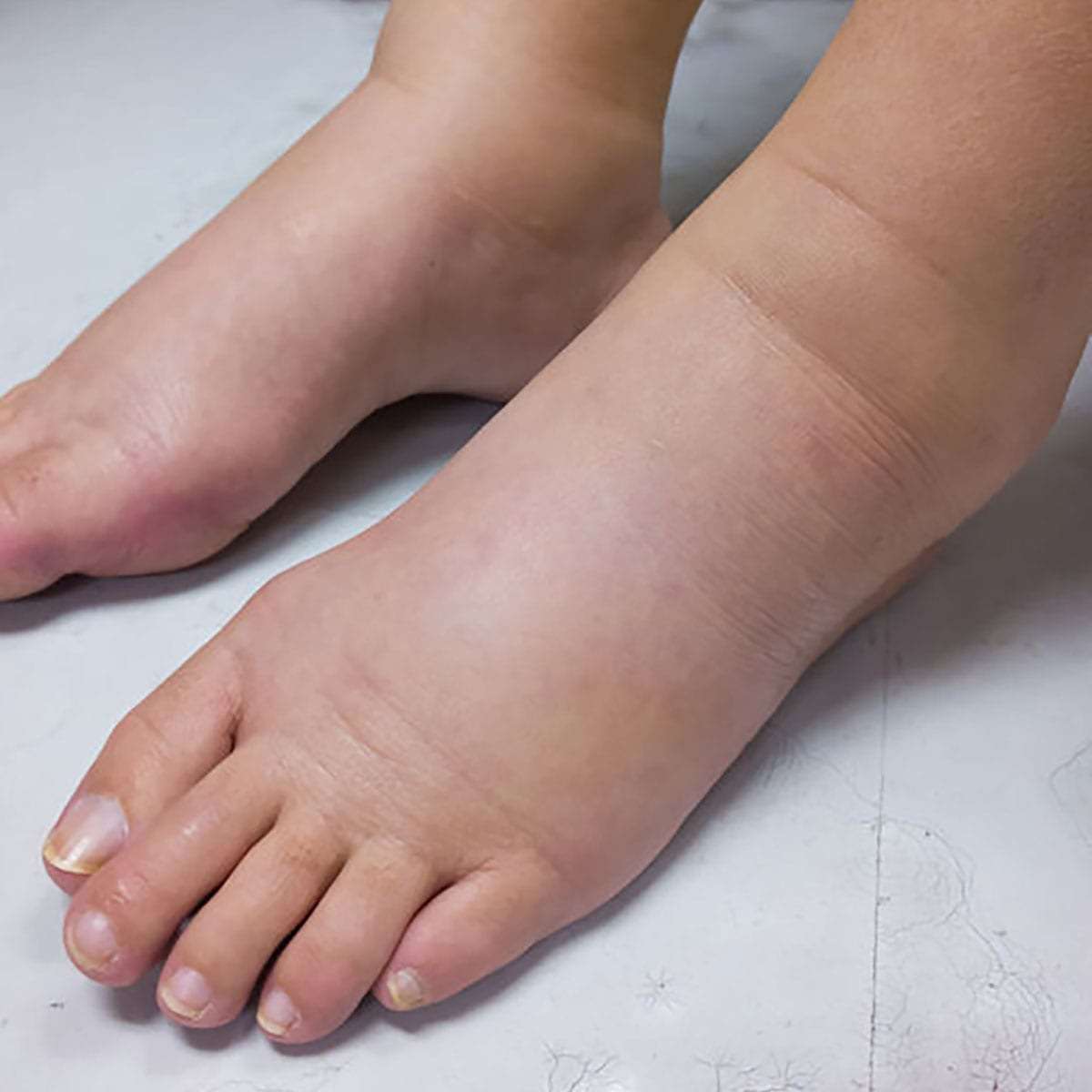
Leg oedema is the medical term for swelling caused by a build-up of fluid in the tissues of the legs. It most commonly affects the legs, ankles, and feet.

Fluid normally moves in and out of blood vessels and tissues as part of healthy circulation. Oedema occurs when more fluid leaks out of the blood vessels than can be reabsorbed or drained away by the lymphatic system.

Common Symptoms:

  • Swelling of the legs, ankles, or feet
  • Tight or shiny skin
  • Indentation in the skin when pressed (pitting)
  • Heaviness or aching in the limbs
  • Reduced flexibility or movement
Leg Oedema Overview
Diagnosis & Management

Managing Leg Oedema

Common Causes:

  • Heart conditions that affect circulation
  • Kidney or liver disease
  • Chronic venous disease or varicose veins
  • Prolonged sitting or standing
  • Pregnancy
  • Certain medications, such as calcium channel blockers or steroids

Diagnosis is made through physical examination, ultrasound of the abdominal, pelvic, and leg veins, blood tests, and other imaging tests to assess heart, liver, and kidney function.

Treatment and Management:

Treatment is usually focused on addressing the underlying cause and may include:

  • Leg elevation
  • Regular movement and exercise
  • Compression socks, stockings, or bandaging in some cases
  • Medications such as diuretics in selected patients (e.g., heart failure)
Leg Oedema Treatment
Condition

Lymphoedema

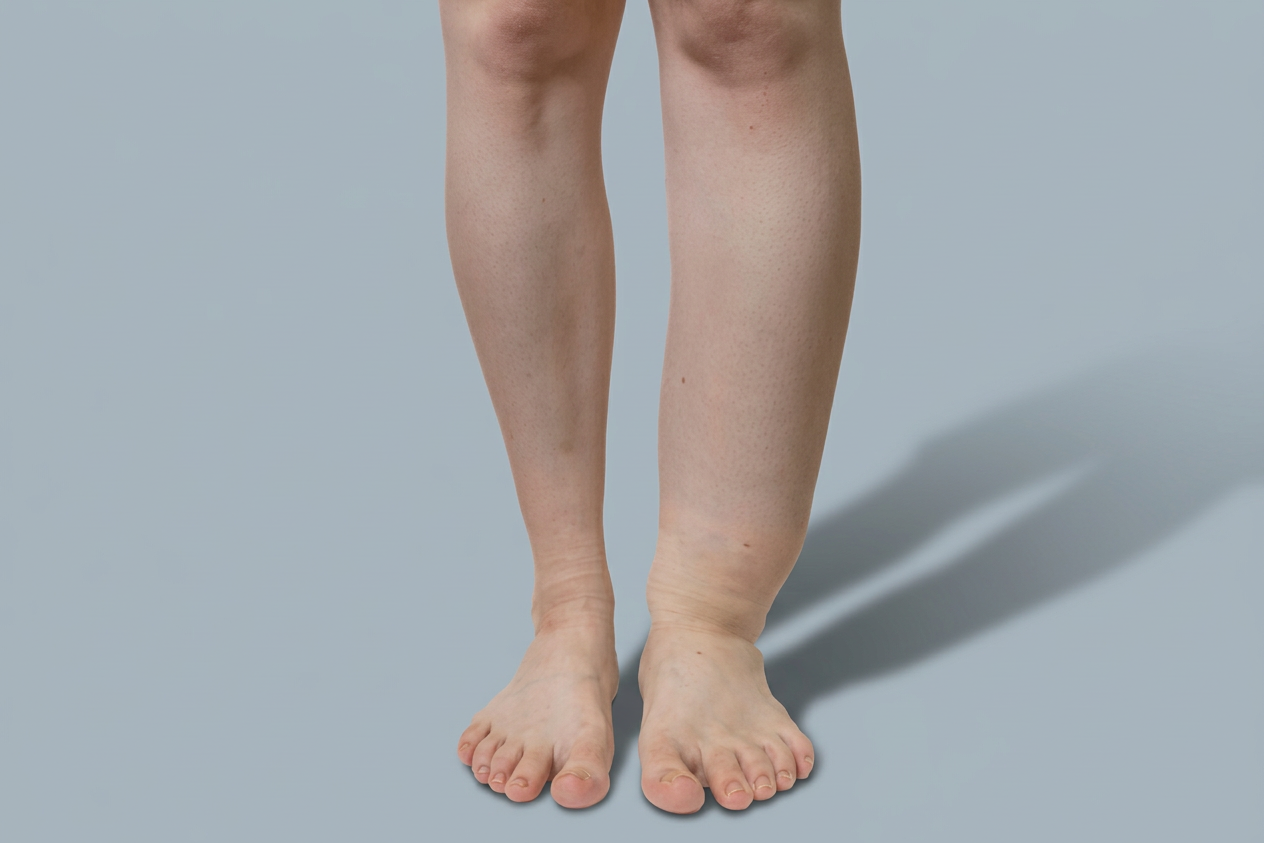
Lymphoedema is a condition where there is a build-up of lymphatic fluid in the tissues due to a problem with the lymphatic system. This leads to persistent swelling, most often in the arms or legs.

The lymphatic system is part of the immune and fluid balance systems of the body. It collects excess fluid from tissues and returns it to the bloodstream through lymph vessels and lymph nodes.

Causes of Lymphoedema:

  • Damage to lymph nodes or vessels from surgery or radiotherapy (secondary lymphoedema)
  • Inherited problems with lymphatic development (primary lymphoedema)
  • Infection, injury, or cancer

Symptoms:

  • Persistent swelling of a limb
  • Tightness or heaviness
  • Thickened or hardened skin over time
  • Reduced movement
  • Increased risk of skin infections
Lymphoedema Overview
Diagnosis & Care

Managing Lymphoedema

Diagnosis is based on clinical examination and imaging such as ultrasound, CT, or MRI scans.

Treatment and Management:

  • Compression socks and stockings (usually high-level compression)
  • Intermittent compression devices worn at night
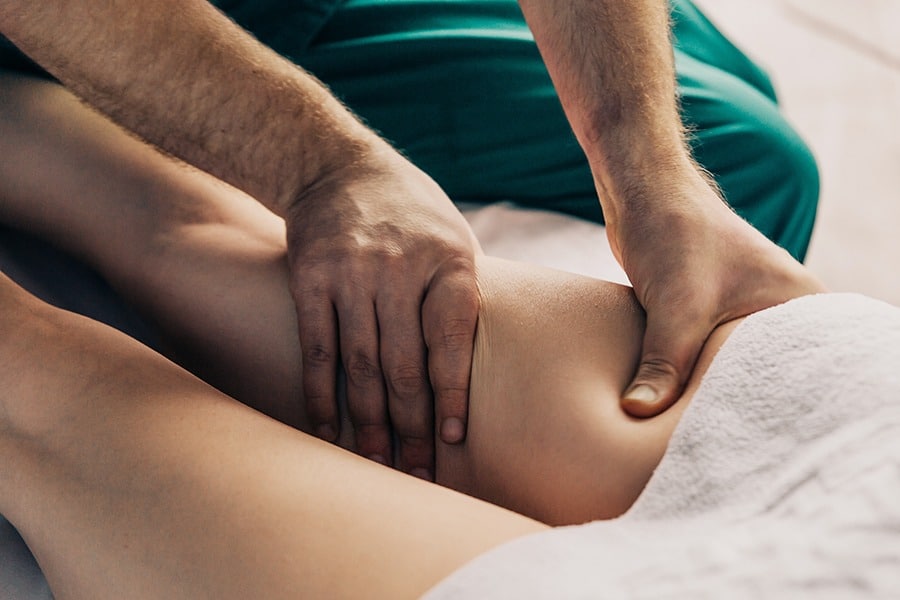
  • Manual lymphatic drainage (lymphatic massage)
  • Skin care to prevent infection
  • Exercise programs designed to improve lymph flow

There are also some novel therapies currently in development designed to further assist with long-term management.

Lymphoedema Management
Condition

Lipoedema

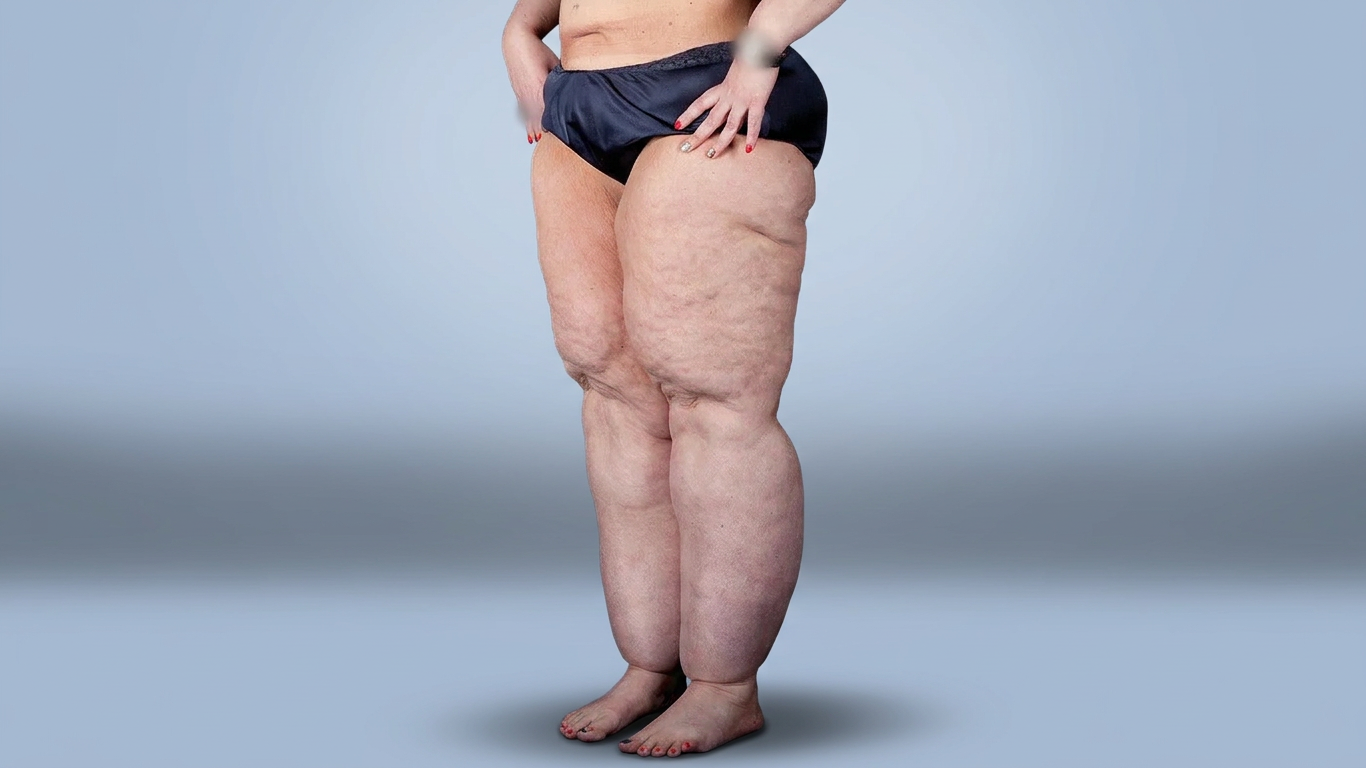
Lipoedema is a long-term condition involving an abnormal build-up of fatty tissue, usually in the legs and sometimes the arms. It most commonly affects women and is often symmetrical, meaning both sides of the body are affected equally.

The exact cause is not fully understood, but it is thought to be influenced by hormones and genetic factors. It often begins or worsens at times of hormonal change such as puberty, pregnancy, or menopause.

Key Features and Symptoms:

  • Disproportionate fat distribution, with legs larger than the upper body
  • Fatty tissue that is tender or painful to touch (contact tenderness)
  • Easy bruising
  • Minimal swelling of the feet (feet often spared)
  • Feeling of heaviness or tightness in the legs

Lipoedema fat does not reduce significantly with diet or exercise alone and is different from fluid-related swelling seen in oedema and lymphoedema.

Lipoedema Overview
Diagnosis & Outlook

Lipoedema Management

Diagnosis:

  • Clinical assessment
  • Imaging tests in selected cases to rule out other conditions such as oedema and lymphoedema

Management and Treatment:

  • Compression socks, stockings, and pantyhose to support circulation
  • Gentle exercise such as swimming or walking
  • Weight management for overall health
  • Manual lymphatic drainage in selected patients
  • Psychological support and education
  • Liposuction in selected patients

Long-Term Outlook:

Lipoedema is a chronic condition, but symptoms can be managed effectively with appropriate care and lifestyle adjustments.

Lipoedema Support
Comprehensive Swelling Care
Contact Us

Get Relief Today.

Request a callback or book your initial consultation to address your leg swelling. Referrals are welcome but not always required.

Phone: 0800 45 45 99

Email: info@pulsehealth.nz

Office Address: 1/39 Ghuznee Street, Te Aro 6011, Wellington