
Specialist Treatments for Varicose, Spider & Facial Veins
At Pulse Vein Care, we provide expert assessment and minimally invasive treatments for varicose veins, spider veins, and facial veins.

Varicose Veins
Varicose veins are enlarged veins that usually develop in the legs when the one-way valves inside the veins weaken or fail, allowing blood to flow backward and pool. This increased pressure causes the veins to stretch and become visible under the skin, often with a blue or purple appearance.
Symptoms can include aching, heaviness, swelling, throbbing, itching, cramping and fatigue in the legs, which may worsen after prolonged standing.
While often a cosmetic concern, untreated varicose veins can sometimes lead to complications such as skin changes, inflammation, blood clots, or ulcers.
Common Causes
- Genetics: A family history is the strongest risk factor
- Ageing: Vein walls and valves weaken over time
- Prolonged standing or sitting: Increases pressure in leg veins
- Pregnancy: Hormonal changes and increased blood volume
- Obesity: Extra weight raises venous pressure
- Hormonal influences: Oestrogen can weaken vein walls
- Previous injury: Can damage vein valves
Symptoms & Complications
Varicose vein symptoms range from mild to troublesome and often worsen after prolonged standing or at the end of the day.
Typical Symptoms
- Aching, heaviness, or throbbing in the legs
- Swelling of the ankles or lower legs
- Burning, itching, or tingling around the veins
- Leg fatigue or cramps, especially at night
- Symptoms usually improve with elevation or walking
Skin & Advanced Signs
- Dry, itchy, or inflamed skin (venous eczema)
- Brownish skin discoloration around the ankles
- Hardening of the skin tissues (lipodermatosclerosis)
- Slow-healing sores or venous ulcers
Potential Complications
Untreated varicose veins can lead to more serious issues, including:
- Superficial thrombophlebitis (tender, inflamed vein)
- Bleeding from fragile surface veins
- Cellulitis (infection)
When to seek help
If you experience any of these symptoms, we recommend an ultrasound scan to investigate further. Minimally invasive treatment can often resolve these issues quickly with a fast recovery period.
Treating Varicose Veins
Most varicose vein treatments can be performed minimally-invasively with ultrasound guidance. This benefits patients because the procedure is relatively short, and recovery is reasonably quick.
At Pulse Vein Care, we use three primary minimally-invasive methods:
- Radiofrequency Ablation (RFA)
- Sealant Ablation (Venaseal)
- Ultrasound-guided Sclerotherapy
Note: Surgical "stripping" is not standard practice these days. In rare cases, a small operation to tie off a large leaking vein (under local anaesthetic) may be used alongside other treatments for lasting results.
Assessment & Insurance
Health Insurance: If you have health insurance, your assessment and treatment will likely be covered as long as you meet your insurer's criteria.
Self-Funding: We arrange a treatment plan that best meets your needs, ranging from full-service specialist care to nurse-led care.
The Process: Assessment involves an initial consultation and an ultrasound scan to map your veins and determine the underlying cause.
Book AssessmentReducing Risk & Progression
Varicose veins cannot be completely prevented if you are genetically predisposed, but their risk and progression can be reduced by improving leg circulation and lowering pressure in the veins.
Active Lifestyle
Stay active to help calf muscles pump blood back to the heart. Avoid prolonged sitting or standing—move or stretch every 30–60 minutes.
Daily Habits
Elevate legs when resting and choose supportive footwear. Avoid tight clothing around the waist or legs that restricts blood flow.
Compression
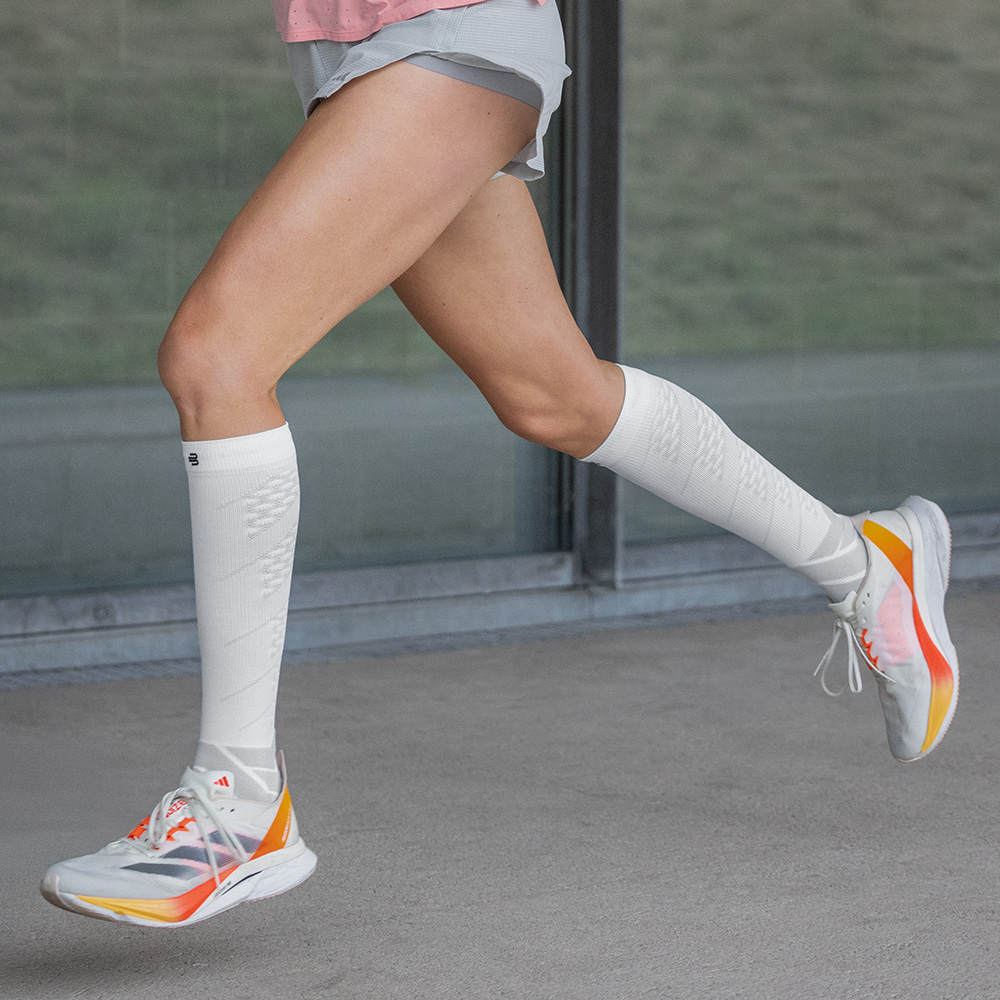
Wear compression stockings, especially for long travel, standing jobs, or pregnancy.

Spider Veins
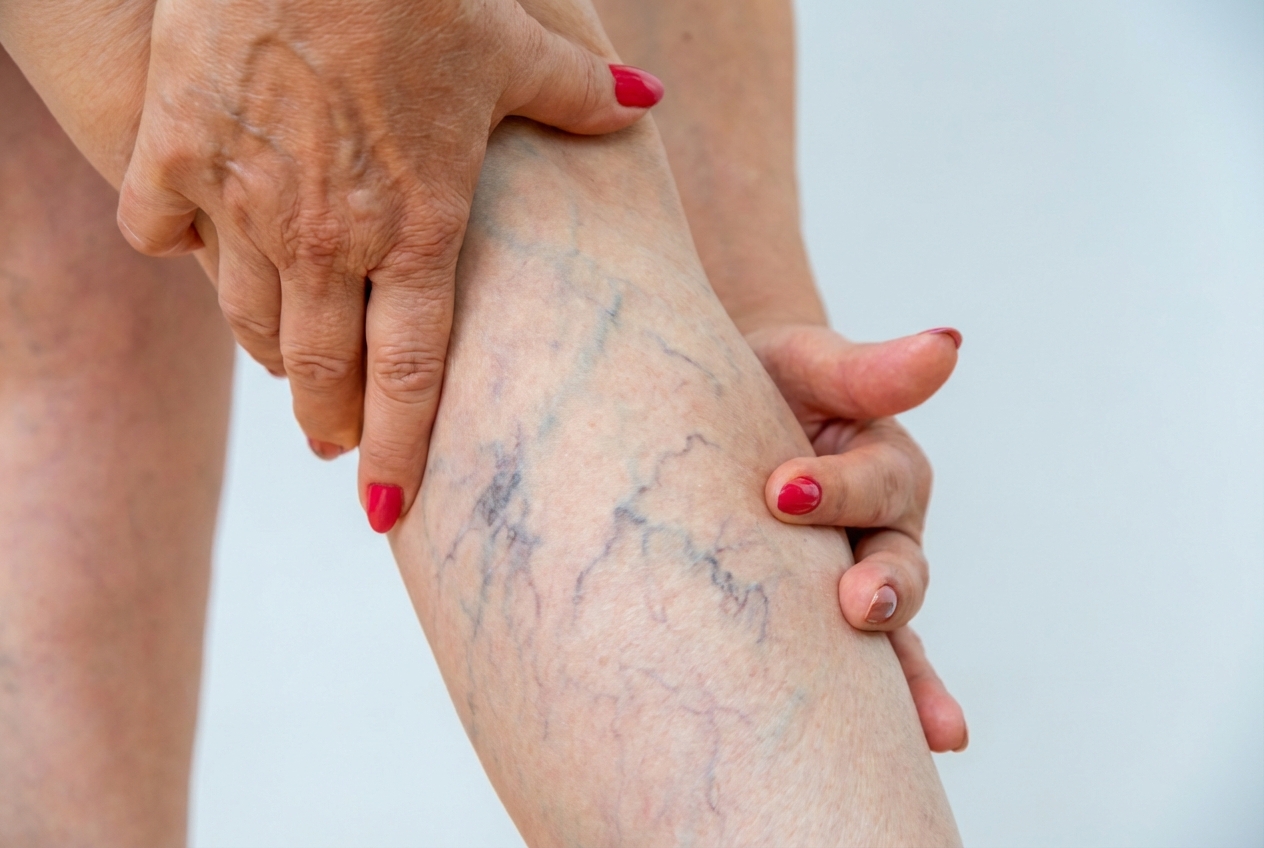
Spider veins are fine red or purple veins seen on the surface of the legs or face. While usually asymptomatic, they may cause burning, throbbing, or itching.
Types & Locations
Telangiectasias: Very fine veins with a red appearance.
Reticular Veins: Larger veins with a dark blue or purplish appearance.
Facial Veins: Often occur on the nose or cheeks.
Causes
- In the legs: Often associated with underlying venous insufficiency and varicose veins, but can also be related to age, oestrogen, trauma, and sun exposure.
- On the face/chest: Sun exposure is the most common cause. Other factors include genetics, alcohol consumption (dilates vessels), and Rosacea triggers (heat, spicy food).
Treating Spider Veins
Microsclerotherapy
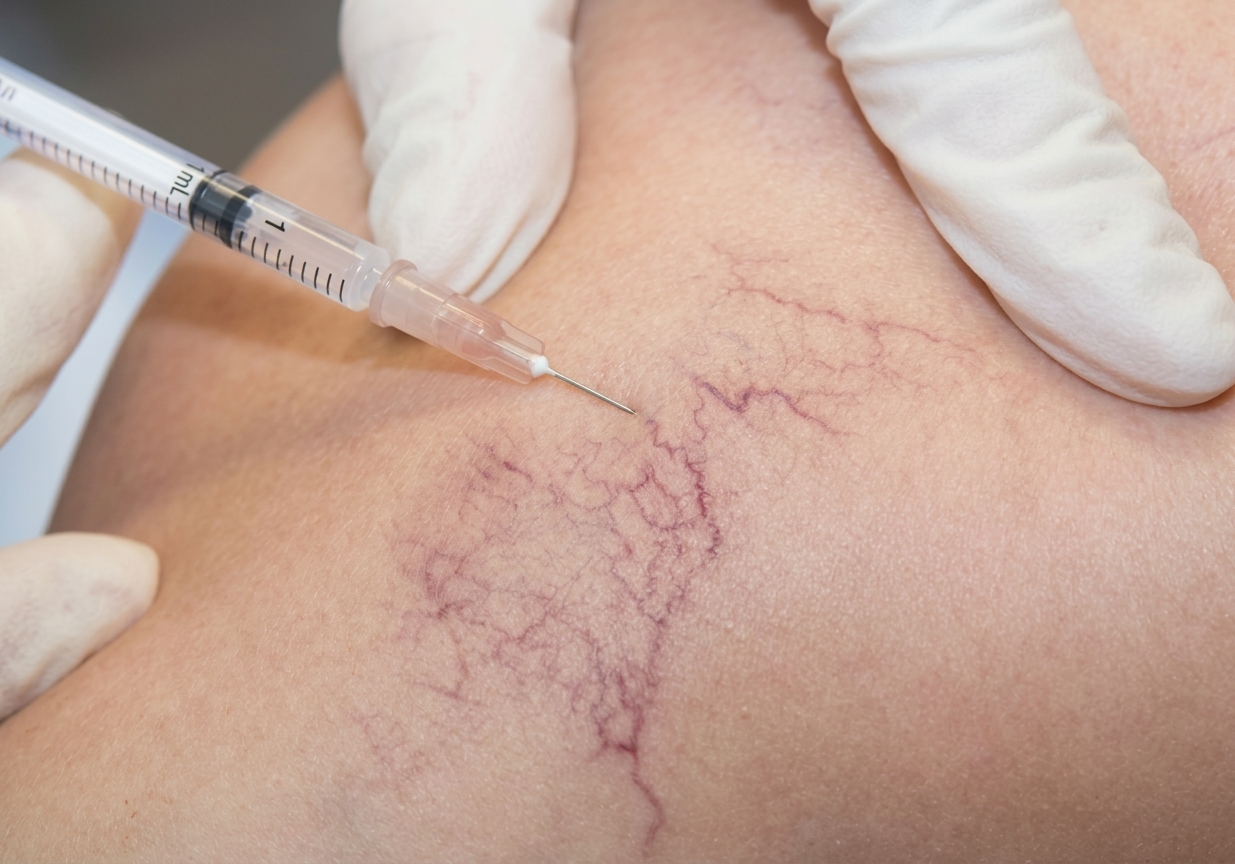
Best for leg spider veins. Microsclerotherapy uses fine needles to inject small quantities of a vein irritant into the spider veins, causing them to close down.
Once closed down, the body absorbs the broken veins so they gradually fade over 3–6 months. Patients will often require between 1–3 treatment sessions to achieve a good result.
- Recovery: Minimal downtime
- Aftercare: Compression stocking worn for 7–10 days
- Pre-treatment: Ultrasound scan typically required
IPL (Intense Pulsed Light)
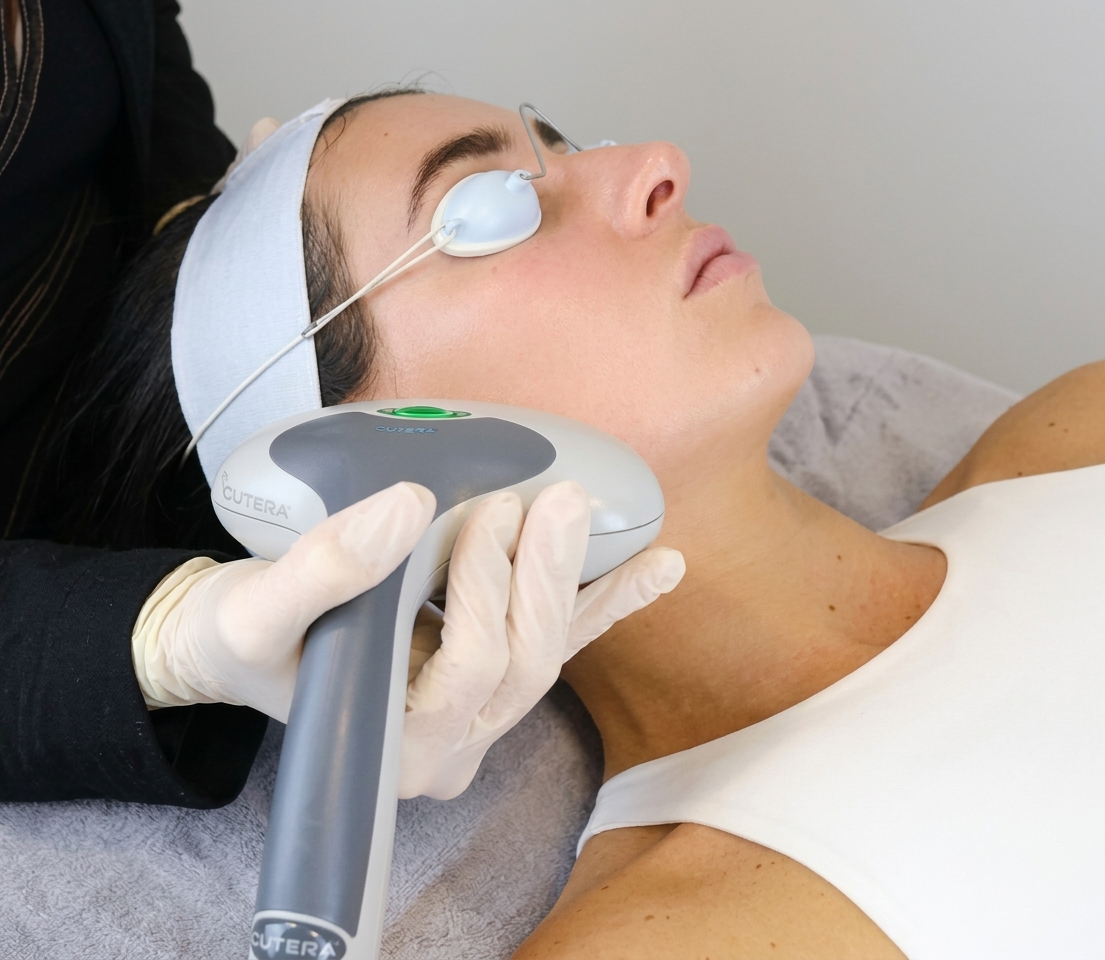
IPL is a non-invasive light-based treatment that uses broad-spectrum pulses of light to target Facial telangiectasias (fine red facial vessels). Unlike a true laser, which uses one focused wavelength, IPL releases multiple wavelengths of light which effectively targets spider veins and telangiectasias.
The intense light heats the blood vessels until they close up, after which they dissolve away over the next 3–6 months.
- Target: Spider veins and telangiectasias
- Mechanism: Intense light heats and closes vessels
- Results: Veins dissolve over 3–6 months
Excel V (Vascular Laser)
Excel V Laser is used for larger spider veins on the legs and face. It is a powerful laser that can penetrate the skin to a depth of about 4mm.
This deep penetration allows for precise targeting of reticular veins and deeper telangiectasias that surface treatments might miss.
- Depth: Penetrates ~4mm
- Use Case: Larger leg/face veins
- Precision: High powered targeting
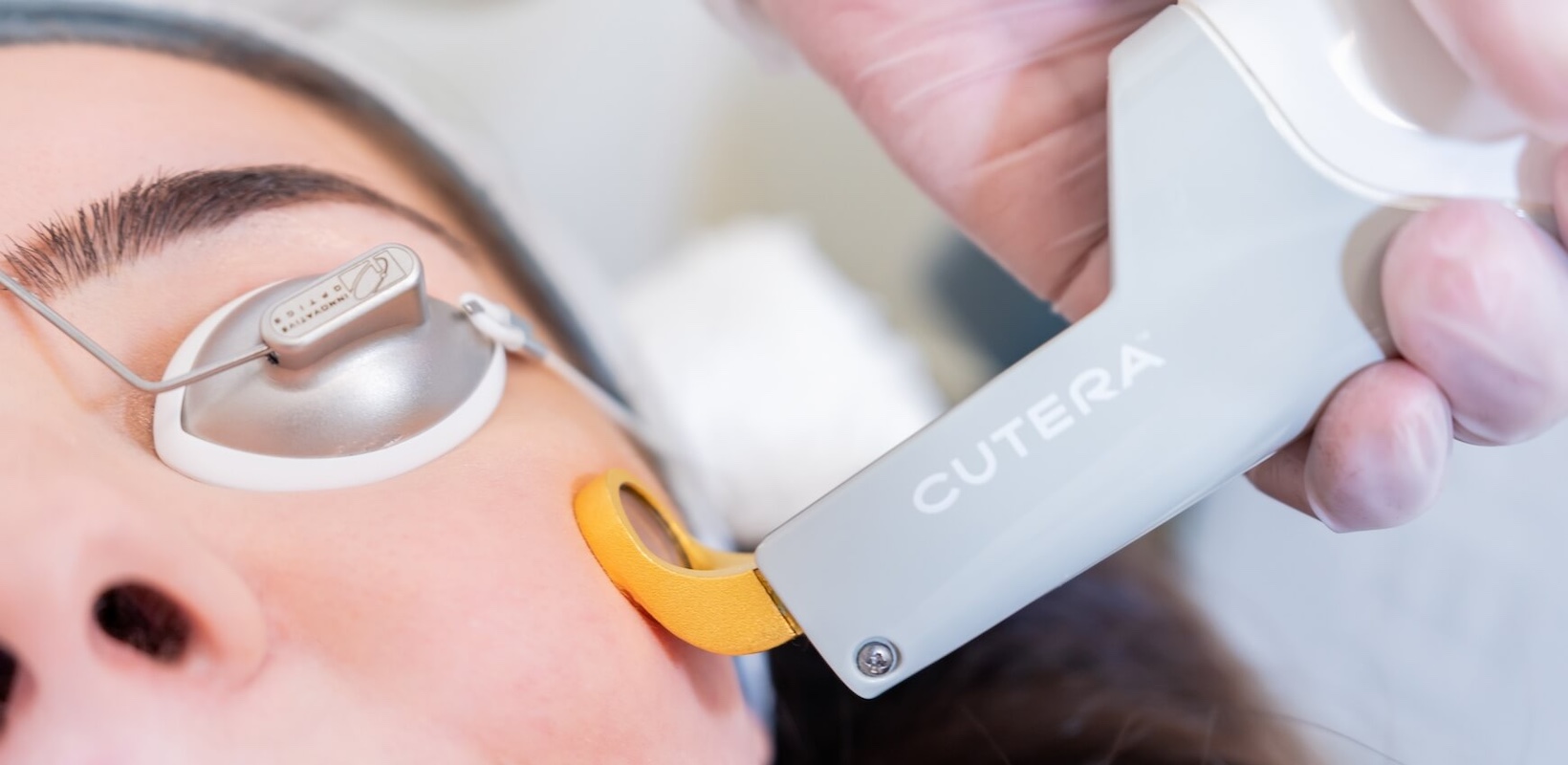
Facial Veins
Facial veins (broken capillaries) develop when small superficial blood vessels dilate or weaken. Common causes include genetics, sun damage, and natural ageing, which thins the skin and reduces collagen support.
Rosacea, chronic flushing, and temperature extremes can also trigger vessel expansion over time. Lifestyle factors such as alcohol, hot beverages, spicy foods, and vigorous scrubbing may worsen visibility.
Prevention Strategy
Sun Protection: The most effective strategy. Use high SPF sunscreen, hats, and clothing. Sunscreen first, makeup second.
Skincare: Topical Vitamin C, B3 (Niacinamide), and Vitamin A can help improve the condition of the skin and prevent the formation of broken veins.
Lifestyle: Avoid triggers such as spicy foods and alcohol if you are prone to Rosacea.
Shop Skincare ProductsBook Your Assessment
Whether you have painful varicose veins or cosmetic spider veins, our specialist team creates a tailored treatment plan for you.
Phone: 0800 45 45 99
Email: info@pulsehealth.nz
Office Address: 1/39 Ghuznee Street, Te Aro 6011, Wellington